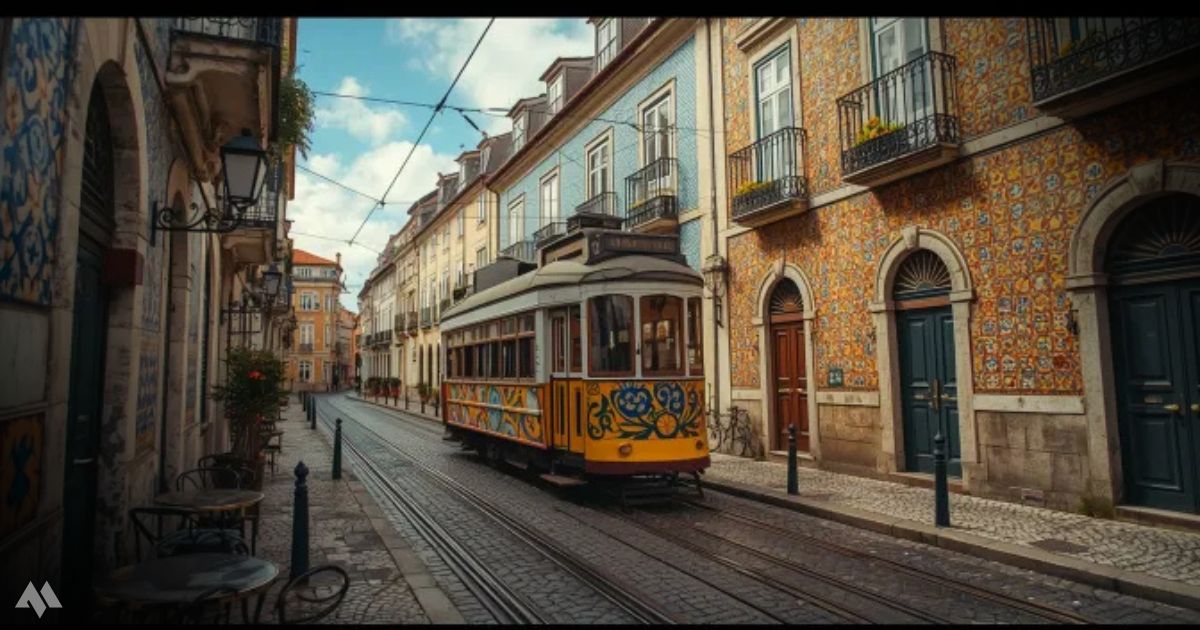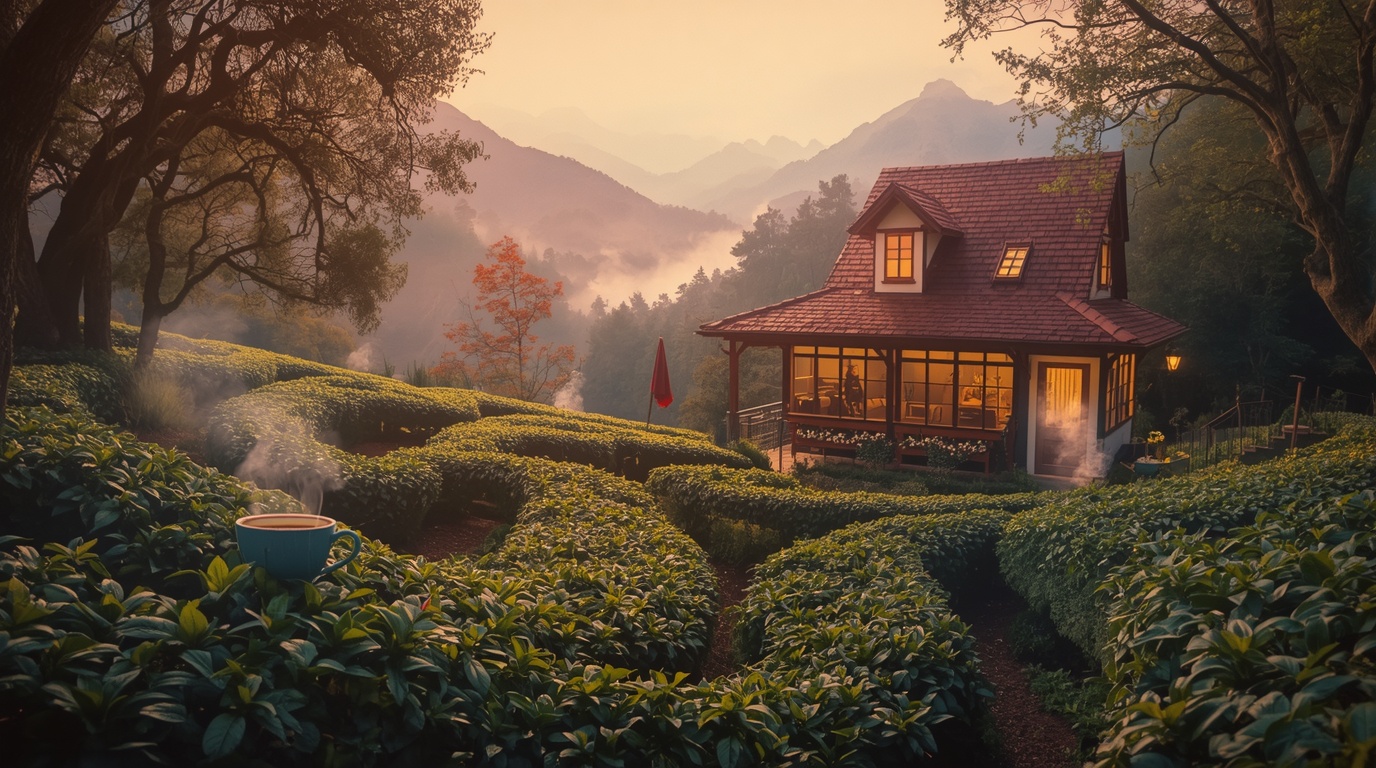
There’s a particular kind of magic that happens when you combine two of life’s simplest pleasures: travel and tea. I still remember the first time I truly understood travel tea as more than just a hashtag on a coffee-shop chalkboard. I was driving down a quiet coastal road in South Carolina, windows down, when I spotted a hand-painted sign that read “Tea Garden — 2 Miles.” On a whim, I turned. Two hours later, I was sitting on a wooden porch overlooking rows of glossy green tea bushes, sipping something so fresh it tasted like the air itself. That single detour changed how I plan every trip I take now.
Table of Contents
If you’ve ever felt that pull — the idea that a cup of tea can be a doorway into a place’s history, culture, and people — then this guide is for you. We’re going to explore what travel tea really means, why it’s becoming one of the most talked-about ways to experience the United States, and where you can go to live it for yourself. Along the way, we’ll dig into four things every tea-loving traveler should know: tea tourism in the USA, the best tea houses in America, the joy of a true afternoon tea experience, and how to build your own personal tea travel guide for future adventures.
Grab a mug (tea, obviously) and settle in — this one’s a long, warm read.
What Does “Travel Tea” Really Mean?
At its heart, travel tea is simple: it’s the practice of exploring new places through the lens of tea culture. That might mean visiting an actual tea farm, popping into a century-old tea room in a small town, learning the proper way to pour and stir during an afternoon tea service, or just carrying your favorite loose-leaf blend in your suitcase so a hotel room anywhere in the country can feel a little like home.
For some people, travel tea is about the ritual — the slow pour, the quiet conversation, the pause in an otherwise rushed itinerary. For others, it’s about discovery — tracking down the one tea room in a city that locals swear by, or finding out that yes, tea actually grows in America (more on that in a minute). Either way, it turns a trip from a checklist of sights into something you can taste, smell, and remember.
Tea Tourism USA: More Homegrown Than You’d Think
Most people assume you have to fly to Japan, Sri Lanka, or China to experience real tea tourism. But the United States has its own quiet, wonderful tea story — and it starts in the Lowcountry of South Carolina.
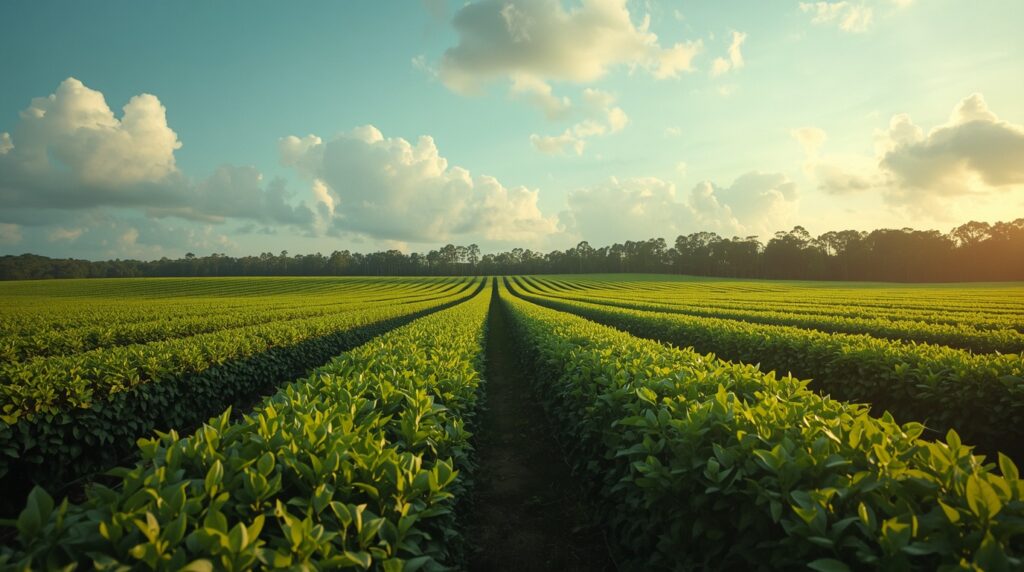
Just outside Charleston, on Wadmalaw Island, sits one of the only places in North America where tea is actually grown, harvested, and processed on a commercial scale. Rows of tea bushes stretch across the flat coastal land, and visitors can walk the fields, tour the factory, and taste tea that never left the state it was grown in. Standing among those bushes, watching the withering and rolling process up close, gave me a completely new respect for what’s in my morning cup. It’s not an exaggeration to say it’s one of the most underrated stops for anyone building a tea tourism USA itinerary.
Beyond Charleston, tea tourism is popping up in unexpected corners of the country. Hawaii has a small but growing number of tea farms in the volcanic soil of the Big Island, where the climate mimics the misty highlands of classic tea-growing regions. The Pacific Northwest has artisan tea blenders who run public tastings out of converted barns and greenhouses. Even in landlocked states, you’ll find tea gardens tucked behind botanical centers, offering seasonal tastings that pair local honey with single-origin leaves.
What makes tea tourism USA special isn’t scale — nobody’s competing with Darjeeling or Uji here — it’s intimacy. These are small operations, usually family-run, where the person pouring your cup is often the same person who picked the leaves.
The Best Tea Houses in America You Have to Visit
If tea farms are about the “where it comes from,” tea houses are about the “how it’s shared.” And America has a surprisingly rich collection of them, each with its own personality.
In Virginia’s Shenandoah Valley, there’s a tea room modeled after a Tudor cottage, complete with a thatched-style roof and low wooden beams. Guests take their tea surrounded by gardens, with tiered trays of tea sandwiches, warm scones, and shortbread arriving like clockwork. Sitting there on a rainy afternoon, listening to the clink of china and quiet conversation, I understood why people describe this spot as feeling like stepping into another century entirely.

Out west, in the mountains near Banff (just across the Canadian border, but a favorite add-on for U.S. travelers doing a western road trip), there’s a legendary tea house perched at 7,000 feet, reachable only by a multi-hour hike or horseback ride. It’s rustic, no electricity, and the tea is served with a view of glaciers. It’s proof that the best tea houses in America and its neighboring regions aren’t always fancy — sometimes the setting does all the talking.
Back in the cities, tea houses take on a completely different character. In big metro areas, you’ll find modern, design-forward spaces serving everything from classic English black teas to Taiwanese-style bubble tea, often in the same sitting room. These urban tea houses have become popular spots for first dates, quiet work sessions, and small celebrations — proof that tea culture in America isn’t stuck in the past. It’s evolving right alongside the cities that host it.
The Afternoon Tea Experience: Slowing Down On Purpose
There’s a specific kind of joy in a proper afternoon tea experience — the tiered stands, the pot kept warm under a cozy, the sandwiches cut into careful triangles. It’s one of the few remaining travel experiences that forces you to slow down, because rushing an afternoon tea just isn’t done.
Several American cities have quietly become afternoon tea destinations in their own right. Atlanta has a cluster of elegant tea rooms known for holiday-themed services, including one hotel that transforms its lobby into a gingerbread-house fantasy every December, complete with a private tea service. Denver has a beloved tea room in a building that once housed the city’s legislative chambers, where the tiered stands now hold peppermint chocolate petit fours and cranberry bark instead of policy debates. And in Las Vegas, a newer tea room themed around playing cards and Wonderland-style whimsy has become an Instagram favorite, proving that afternoon tea doesn’t have to feel stuffy to feel special.

My own first “real” afternoon tea happened almost by accident. I was traveling for a friend’s wedding and had an empty afternoon, so I booked a table at a tea room I’d found online mostly out of curiosity. I expected to be in and out in thirty minutes. I stayed for two hours. The server explained the difference between a first and second steep, showed me how to properly add milk after the tea (not before — apparently that’s a whole debate), and by the time I left, my phone had forty photos of scones on it. It taught me that an afternoon tea experience isn’t really about the food. It’s about permission to do nothing else for a while.
Building Your Own Tea Travel Guide
By now, you might be itching to plan a trip around all of this. Here’s where a personal tea travel guide comes in handy — a simple framework for turning “I like tea” into “I have an actual itinerary.”
Start with a region, not a country. The U.S. is enormous, and tea culture varies wildly by area. Pick one region — the Southeast for tea farms and historic tea rooms, the West Coast for artisan and modern tea houses, the Northeast for old-world afternoon tea traditions — and build outward from there.
Pack smart. If you’re a loose-leaf devotee, a small travel infuser mug is worth the suitcase space. It means you’re never stuck with a bland hotel tea bag when you could be enjoying your own blend with a kettle borrowed from the front desk.
Call ahead. Many of the best tea houses in America, especially the smaller historic ones, require reservations, particularly for weekend afternoon tea seatings. Nothing ruins a planned tea trip faster than showing up to a locked door.
Leave room for detours. Some of my favorite tea travel discoveries weren’t planned at all. A hand-painted sign, a recommendation from a hotel concierge, a mention in a local newspaper — these are often better leads than anything you’ll find on a top-ten list, including this one.
Talk to the people pouring your cup. Tea room owners and farm workers are often deep wells of local history and quietly proud of their craft. Ask questions. You’ll almost always walk away with a story, and sometimes with a recommendation for the next stop on your trip.
A Few More Places Worth Adding to the List
If you’re building out your route, keep an eye on these spots too:
- Savannah, Georgia — Southern hospitality meets tea tradition in several historic homes-turned-tea-rooms near the city’s famous squares.
- Boston, Massachusetts — Given the city’s colonial history with tea (yes, that tea party), several tea rooms lean into the theme with playful, historically-inspired menus.
- San Francisco, California — A strong Chinese and Japanese tea house scene, with everything from traditional gongfu tea ceremonies to modern matcha bars.
- New Orleans, Louisiana — Tea rooms here often blend Creole flavors into their pastries, giving the classic afternoon tea format a distinctly local twist.
One Last Story
On a solo road trip through Vermont a couple of years ago, I stopped at a small diner because it was raining and I needed coffee. The owner, an older woman who’d clearly run the place for decades, noticed my “no coffee, tea please” order and lit up. She disappeared into the back and came out with a battered tin of loose oolong that had belonged to her grandmother, brought over from overseas generations ago. She brewed me a pot herself, refused payment for it, and told me stories about her grandmother’s tea stall for almost an hour while the rain came down outside.
That’s the real reason to seek out travel tea wherever you go. It’s rarely just about the drink. It’s about the doors a simple cup can open — into a stranger’s family history, into a town’s quiet traditions, into an afternoon you didn’t plan for but won’t forget.
So next time you’re mapping out a trip, leave a little room in the itinerary for tea. Follow the hand-painted signs. Ask about the tin in the back. You might just find that the best souvenir from your trip isn’t a photo or a magnet, but a story that started with a warm cup in a place you almost drove past.
Frequently Asked Questions About Travel Tea
Is tea actually grown in the United States? Yes. While it’s a small industry compared to global tea-producing countries, there are working tea farms in South Carolina and Hawaii, plus smaller experimental plots scattered around the Pacific Northwest and parts of the Gulf Coast. Touring one is one of the easiest ways to experience genuine tea tourism USA without leaving the country.
Do I need a reservation for afternoon tea? In most cases, yes, especially at well-known tea rooms in bigger cities or during holiday seasons. Walk-ins can work at smaller, casual spots, but if you’re planning your visit around a specific afternoon tea experience, call ahead or book online a few days in advance.
What should I bring on a tea-focused trip? A compact infuser mug or bottle, a small tin for any loose-leaf tea you pick up along the way, and a notebook. You’ll be surprised how many tea room owners share stories worth writing down. This is the core of any good tea travel guide — pack light, but pack for curiosity.
Are these tea houses budget-friendly? It varies widely. Small-town tea rooms are often very affordable, while elaborate hotel afternoon tea services in major cities can run higher, especially around holidays. Many of the best tea houses in America offer a simpler “cream tea” option — just scones and a pot of tea — for travelers who want the experience without the full multi-course price tag.
Is travel tea just for tea experts? Not at all. Some of the best experiences described here happened to travelers who wandered in knowing very little about tea. Curiosity is the only requirement — the tea rooms, farms, and afternoon tea services are more than happy to teach you the rest.

Lahiru N Gamage is the founder and editor of Modern Lifestyle Center, a lifestyle publication focused on home decor, interior design, beauty, fashion, garden inspiration, and modern living ideas. Through carefully researched articles and practical guides, he helps readers discover creative ways to improve their homes and everyday lifestyles.
Modern Lifestyle Center is committed to providing informative, trustworthy, and inspiring content designed to help readers create beautiful, comfortable, and functional living spaces.