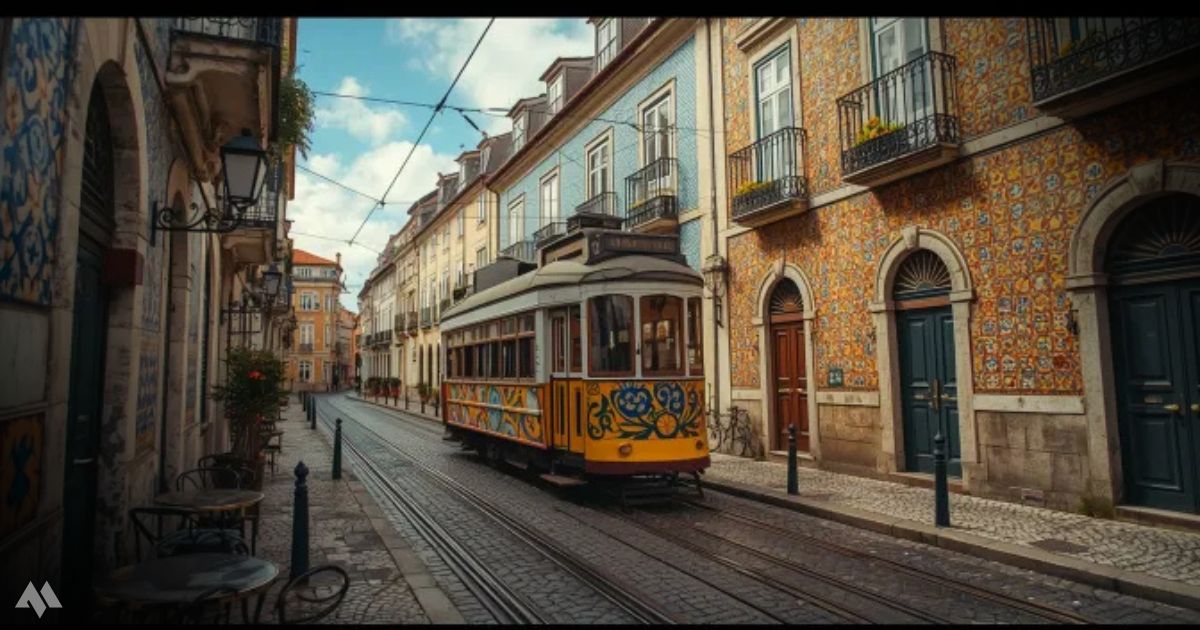
I still remember standing outside a tiny tasca in Lisbon’s Alfama district, stomach growling, completely unable to read the handwritten chalkboard menu. The owner, an older woman with flour on her apron, looked at me expectantly. I panicked and pointed at a table nearby, hoping to order “the same thing as them.” She laughed — not unkindly — and said something I didn’t understand at all. That night I went to bed hungry-ish and humbled.
The next morning, I downloaded a phrasebook app, scribbled ten phrases on the back of a receipt, and walked back into that same tasca. I said, badly but bravely, “Bom dia! Queria um café, por favor.” Good morning! I would like a coffee, please. Her face lit up. She corrected my pronunciation, laughed again — this time with me — and brought me the best pastel de nata I’ve ever eaten, on the house.
That’s the thing about learning a handful of Portuguese phrases for travel. You don’t need fluency. You need just enough to show that you tried. In Portugal and Brazil alike, that small effort opens doors, wallets stay a little fuller (fewer “tourist markups”), and strangers become five-minute friends.
This guide is built from that same trial-and-error spirit — the phrases that actually got used, not just memorized and forgotten. Let’s get you talking.
Why Learning Basic Portuguese Words for Tourists Actually Matters
Before the phrase lists, a quick reality check. English is widely spoken in major tourist hubs like Lisbon, Porto, and Rio de Janeiro — but the moment you step off the well-trodden path, into a family-run restaurant, a rural pousada, or a local market, English starts to disappear fast.
Here’s what a little Portuguese gets you that Google Translate on a phone screen never will:
- Warmer service. Locals notice effort, and effort is repaid with genuine hospitality.
- Better prices. In markets and with taxi drivers, a phrase or two in Portuguese signals you’re not a clueless tourist to be overcharged.
- Safety. Knowing how to ask for help, describe an emergency, or understand a warning sign can matter more than you’d think.
- Real connection. Some of the best travel memories come from tiny conversations — with a barista, a grandmother selling fruit, a fisherman mending nets.
Essential Portuguese Phrases for Travelers: Greetings and Politeness
Politeness goes a long way in Portuguese-speaking cultures. These are the absolute must-knows — the ones you’ll use within your first hour of landing.
| Portuguese | Pronunciation (rough) | English |
|---|---|---|
| Olá | oh-LAH | Hello |
| Bom dia | bohn DEE-ah | Good morning |
| Boa tarde | BOH-ah TAR-jeh | Good afternoon |
| Boa noite | BOH-ah NOY-teh | Good evening / Good night |
| Por favor | por fah-VOR | Please |
| Obrigado (男) / Obrigada (女) | oh-bree-GAH-doo / dah | Thank you |
| De nada | jee NAH-dah | You’re welcome |
| Desculpe | dess-KOOL-peh | Excuse me / Sorry |
| Com licença | kohn lee-SEN-sah | Excuse me (to pass by) |
| Tudo bem? | TOO-doo beng | How’s it going? / All good? |
Quick tip that saved me constant embarrassment: “Obrigado” changes based on your gender, not the listener’s. Men say “obrigado,” women say “obrigada.” I got this backwards for an entire week in Porto and nobody corrected me — Portuguese people are far too polite for that, so consider this your free correction.
Portuguese Travel Phrases for Beginners: Getting Around
Public transport, taxis, and asking for directions are where most travelers freeze up. Here’s what actually gets you from point A to point B.
| Portuguese | Pronunciation | English |
|---|---|---|
| Onde fica…? | ON-jee FEE-kah | Where is…? |
| Como chego a…? | KOH-moo SHAY-goo ah | How do I get to…? |
| Quanto custa? | KWAN-too KOOS-tah | How much does it cost? |
| Um bilhete, por favor | oom bee-LYEH-teh | One ticket, please |
| Para a estação, por favor | PAH-rah ah esh-tah-SOW | To the station, please |
| Fica perto ou longe? | FEE-kah PER-too oh LON-jeh | Is it near or far? |
| Vire à esquerda / direita | VEE-reh ah esh-KER-dah / dee-RAY-tah | Turn left / right |
| Em frente | eng FREN-teh | Straight ahead |
| Pode chamar um táxi? | POH-jeh shah-MAR oom TAK-see | Can you call a taxi? |
| Este autocarro vai para…? | ES-teh ow-toh-KAH-hoo vye PAH-rah | Does this bus go to…? |
A funny thing happened to me in Porto when I mixed up “esquerda” (left) and “direita” (right) while giving a taxi driver directions from a scribbled note. We ended up circling the same roundabout twice before he just laughed, pulled out his own phone, and typed the address himself. Lesson learned: when in doubt, just show the address on your phone. But knowing the words still helps you understand what the driver or local is telling you back.

How to Speak Portuguese in Portugal (and Brazil) at Restaurants
Food is where language barriers hurt the most — and where the payoff for trying is the sweetest, quite literally. Here are the restaurant essentials.
| Portuguese | Pronunciation | English |
|---|---|---|
| Uma mesa para dois, por favor | OO-mah MEH-zah PAH-rah doysh | A table for two, please |
| Posso ver o cardápio/menu? | POH-soo vehr oo car-DAH-pyoo | Can I see the menu? |
| O que você recomenda? | oo keh voh-SAY heh-koh-MEN-dah | What do you recommend? |
| Eu queria… | eh-oo keh-REE-ah | I would like… |
| Está delicioso! | esh-TAH deh-lee-see-OH-zoo | It’s delicious! |
| A conta, por favor | ah KON-tah por fah-VOR | The bill, please |
| Tem opções vegetarianas? | teng op-SOYNSH veh-zheh-tah-ree-AH-nash | Do you have vegetarian options? |
| Sem glúten, por favor | seng GLOO-ten | Without gluten, please |
| Está muito bom! | esh-TAH MOY-too bohn | It’s really good! |
| Pode trazer água, por favor? | POH-jeh trah-ZEHR AH-gwah | Can you bring water, please? |
Small but important note: in Portugal, if you ask for “água” without specifying, you might get sparkling water by default in some places — ask for “água sem gás” (still water) or “água com gás” (sparkling) to avoid a surprise fizzy mouthful, which happened to me more than once.
There’s also a lovely little custom in Portugal called the couvert — the bread, olives, and cheese brought to your table before you order. It’s not free! If you don’t want it, just say “Não, obrigado/a” when it arrives, and they’ll take it away, no hard feelings.
Emergency and Everyday Survival Phrases
Not every travel moment is pastries and pretty trams. Some are lost luggage, missed buses, or a stomach that regrets that street food decision. These phrases are the ones you hope you never need — but will be very glad to have.
| Portuguese | Pronunciation | English |
|---|---|---|
| Preciso de ajuda | preh-SEE-zoo jee ah-ZHOO-dah | I need help |
| Chame a polícia | SHAH-meh ah poh-LEE-see-ah | Call the police |
| Onde fica o hospital? | ON-jee FEE-kah oo osh-pee-TAL | Where is the hospital? |
| Perdi o meu passaporte | per-DEE oo meh-oo pah-sah-POR-teh | I lost my passport |
| Não me sinto bem | now meh SEEN-too beng | I don’t feel well |
| Fala inglês? | FAH-lah eeng-LESH | Do you speak English? |
| Não entendo | now en-TEN-doo | I don’t understand |
| Pode repetir, por favor? | POH-jeh heh-peh-TEER | Can you repeat, please? |
| Preciso de um médico | preh-SEE-zoo jee oom MEH-jee-koo | I need a doctor |
| Estou perdido/a | esh-TOH per-JEE-doo/dah | I’m lost |
A friend of mine once got mild food poisoning in Salvador, Brazil, and the only Portuguese she knew going in was “obrigada.” By the end of that trip, “não me sinto bem” and “preciso de um médico” were burned into her memory forever — the hard way. Learn them now, in the comfort of your own home, so you don’t have to learn them under duress like she did.

Shopping and Small Talk: Where Real Connections Happen
This is my favorite category, because it’s where you stop being a tourist reciting lines and start being a person having an actual conversation — even a short, clumsy one.
| Portuguese | Pronunciation | English |
|---|---|---|
| Só estou a ver, obrigado/a | soh esh-TOH ah vehr | I’m just looking, thanks |
| Posso experimentar? | POH-soo esh-peh-ree-men-TAR | Can I try it on? |
| Tem outro tamanho? | teng OH-troo tah-MAN-yoo | Do you have another size? |
| É muito caro | eh MOY-too KAH-roo | It’s too expensive |
| Pode fazer um desconto? | POH-jeh fah-ZEHR oom desh-KON-too | Can you give a discount? |
| De onde você é? | jee ON-jee voh-SAY eh | Where are you from? |
| Eu sou de… | eh-oo soh jee | I am from… |
| Este lugar é lindo! | ES-teh loo-GAR eh LEEN-doo | This place is beautiful! |
| Qual é o seu nome? | kwahl eh oo seh-oo NOH-meh | What is your name? |
| Foi um prazer! | foy oom prah-ZEHR | It was a pleasure! |
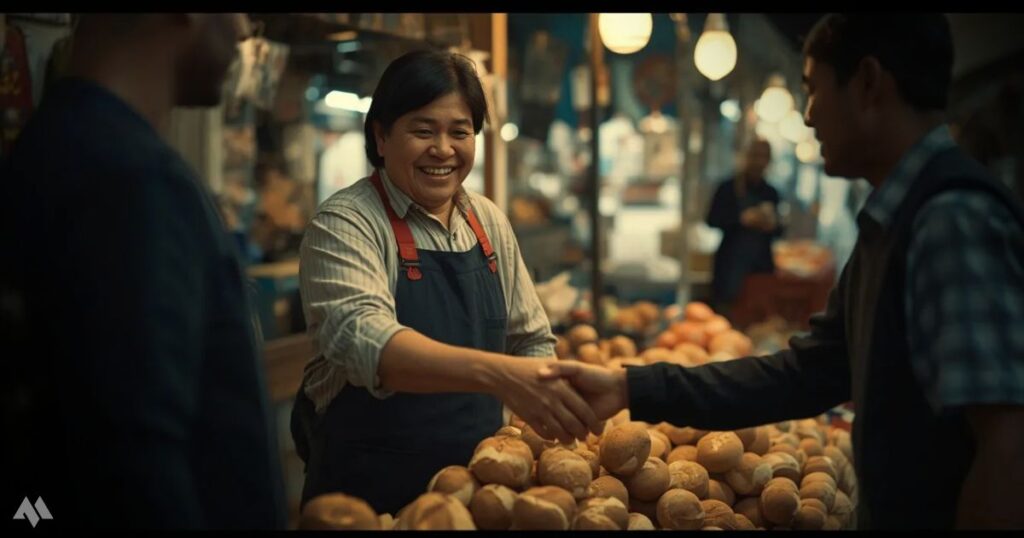
In a small azulejo (tile) shop in Porto, I used exactly two of these phrases — “é muito caro” and “pode fazer um desconto” — half-joking, half-hopeful. The shop owner grinned, knocked off a few euros, and then spent the next fifteen minutes teaching me the history of the blue-and-white tiles covering every wall in the city. I walked out with a tile, a discount, and a mini history lesson I never expected. That’s the magic these small phrases unlock — they’re not just transactions, they’re invitations.

Quick Pronunciation Tips Before You Go
Portuguese pronunciation trips up a lot of English speakers, so here are the fast fixes that make the biggest difference:
- “R” at the start of a word often sounds like an English “H.” Rio sounds closer to “HEE-oo.”
- “Nh” sounds like the Spanish “ñ” — as in “senhor” (sen-YOR).
- “Lh” sounds like “ly” — as in “trabalho” (trah-BAH-lyoo).
- Nasal vowels (marked with ã, õ, or a following “m”/”n”) are pronounced through the nose — think of the “on” in the French “bon.”
- European Portuguese tends to swallow vowels and sound faster/mumblier than Brazilian Portuguese, which is more open and melodic. Don’t panic if Lisbon sounds like a different language than Rio — in some ways, to your ear, it will.
A Few Honest Tips From the Road
- Write your top 10 phrases on your phone’s lock screen or a physical card. In the moment, nerves make you blank out — a visual cheat sheet saves you.
- Don’t whisper it — say it with confidence, even if it’s wrong. Mumbling makes it harder for locals to help you; a clear, confident (if imperfect) phrase gets a clear, helpful response.
- Smile and gesture. Language is only part of communication. A grateful smile after a badly pronounced “obrigado” goes a long way.
- Learn the difference between Portugal and Brazil Portuguese if you’re visiting both — vocabulary and pronunciation shift noticeably (for example, “autocarro” in Portugal vs. “ônibus” in Brazil for “bus”).
- Apps help, but a paper cheat sheet doesn’t run out of battery in the middle of a train station with no wifi.
Final Thoughts: You Don’t Need Fluency, Just a Few Brave Words
Nobody expects you to show up speaking perfect Portuguese. What locals do notice — and appreciate — is the attempt. Every mispronounced “obrigado,” every hesitant “onde fica,” every hopeful “posso experimentar” tells the person in front of you that you respect their culture enough to try their language, even briefly, even badly.
That woman in the Alfama tasca and I never had a full conversation. I never learned her name. But I still think about her pastel de nata, and the way her whole face changed when I fumbled through four words of her language instead of pointing at a stranger’s plate. That’s what these phrases are really for — not perfect grammar, but small, real moments of connection that turn a trip into a memory.
So before you board that flight to Lisbon, Porto, Rio, or São Paulo, take twenty minutes with this list. Practice out loud, even if you feel silly doing it alone in your kitchen. You’ll thank yourself the moment you land.
Boa viagem! (Have a good trip!)

Lahiru N Gamage is the founder and editor of Modern Lifestyle Center, a lifestyle publication focused on home decor, interior design, beauty, fashion, garden inspiration, and modern living ideas. Through carefully researched articles and practical guides, he helps readers discover creative ways to improve their homes and everyday lifestyles.
Modern Lifestyle Center is committed to providing informative, trustworthy, and inspiring content designed to help readers create beautiful, comfortable, and functional living spaces.