The first time I hung a real cowhide rug in my living room, I remember standing back and feeling something shift in the whole room. It wasn’t loud or theatrical — it was warm. Grounded. Like the house suddenly had a story to tell. That’s the strange magic of western home decor: it doesn’t just fill a room, it gives it a personality. Over the past few years, I’ve redone three different living spaces in this style — a rented apartment, a starter home, and now a small ranch-style house outside town — and every single time, the western aesthetic has proven itself to be one of the most forgiving, livable, and genuinely joyful design directions out there.
Table of Contents
If you’ve been scrolling through home inspiration lately, you’ve probably noticed it too. Leather armchairs. Turquoise accents. Weathered wood beams. Cowhide throws draped over sofas. It’s everywhere right now, and for good reason — western home decor blends rugged authenticity with a coziness that few other styles manage to pull off. This guide is everything I’ve learned from actually living with this style, mixed with practical, room-by-room advice you can use whether you’re decorating a full ranch house or just want to bring a touch of frontier charm into a city apartment.
Along the way, I’ll walk you through rustic western decor ideas, modern western home decor approaches for smaller or contemporary spaces, how to actually use a cowhide rug without it looking like a costume prop, and how to build a proper ranch style living room from the ground up. I’ll also point you toward a few real-world places where this style comes alive, so you can see it in person before committing.
Why Western Home Decor Is Having a Real Moment
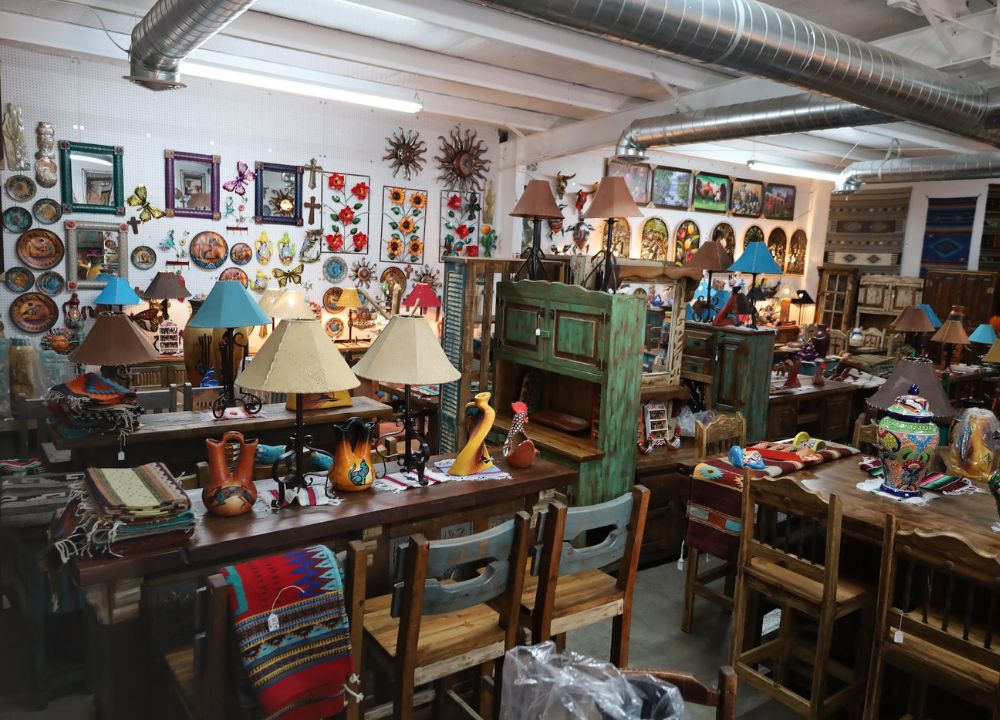
Every few years a design trend gets called “the next big thing,” and most of them fade fast. Western decor feels different, and I think it’s because it isn’t really a trend at all — it’s a return to something older. Ranch houses, ranch families, and frontier craftsmanship never actually went away in places like Texas, Wyoming, or New Mexico. What’s happening now is that the rest of the country is catching up to what those regions have always known: natural materials, handcrafted objects, and warm, sun-baked colors make a home feel alive.
There’s also a practical reason this style is booming. After years of stark minimalism — white walls, grey sofas, empty shelves — people are craving texture and warmth again. Western decor delivers that in spades. A single leather chair, a woven throw, and a piece of turned wood furniture can transform a sterile room into something that feels lived-in and personal within an afternoon.
When I redid my first apartment in this style, I didn’t have much of a budget. I started with a $40 vintage horseshoe from a flea market and a secondhand leather ottoman. That was it. But those two objects completely changed how the room felt — suddenly it had a point of view instead of just being furniture arranged in a box. That’s the lesson I keep coming back to: western decor rewards intention over spending.
The Core Elements of Authentic Western Style
Before diving into specific rooms, it helps to understand the building blocks. Every strong western-inspired space, whether it’s a full ranch house or a single accent wall, tends to draw from the same core palette of materials and colors.
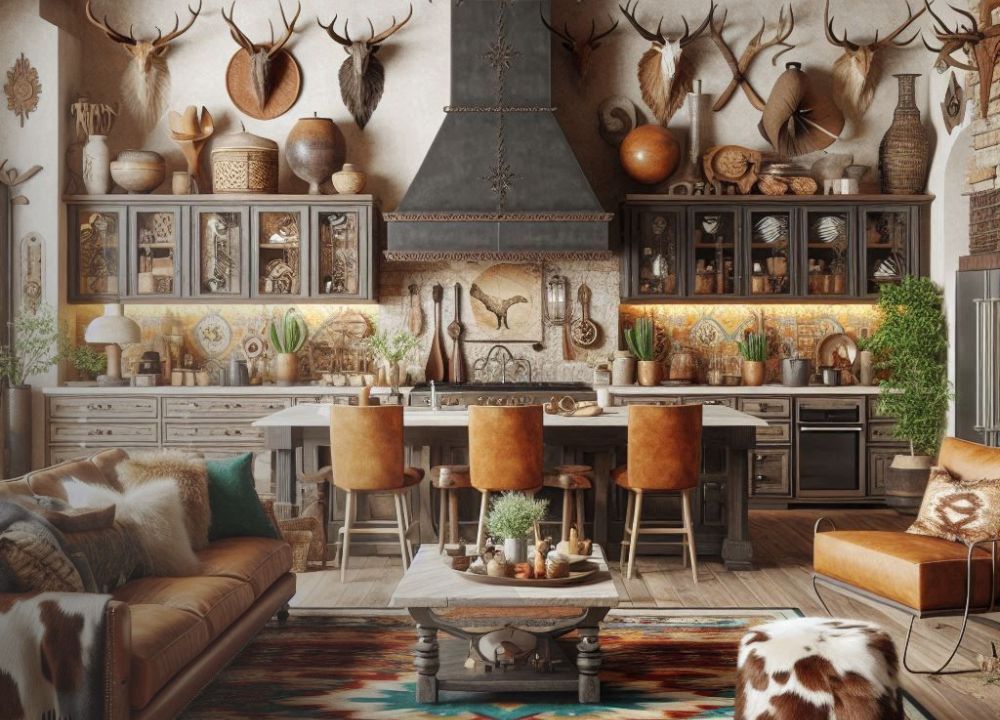
Natural, weathered wood is the backbone. Reclaimed barnwood, distressed oak, and rough-hewn beams show up in flooring, furniture, and ceiling details. The imperfections are the point — a knot in the wood or a worn edge tells you the piece has history, real or implied.
Leather and cowhide bring texture and softness to counterbalance the wood. A leather sofa, a set of cowhide throw pillows, or a full cowhide rug adds depth without requiring a lot of extra decoration.
Earthy, sunset-inspired colors dominate the palette — terracotta, ochre, sand, deep rust, sage green, and muted denim blue. These tones mimic the actual landscape of the American West: desert plains, canyon walls, and big open skies at dusk.
Handcrafted and Native-inspired accents round things out — woven blankets, hand-thrown pottery, wrought iron light fixtures, and turquoise or silver details. These pieces add authenticity and prevent the space from feeling like a themed rental cabin.
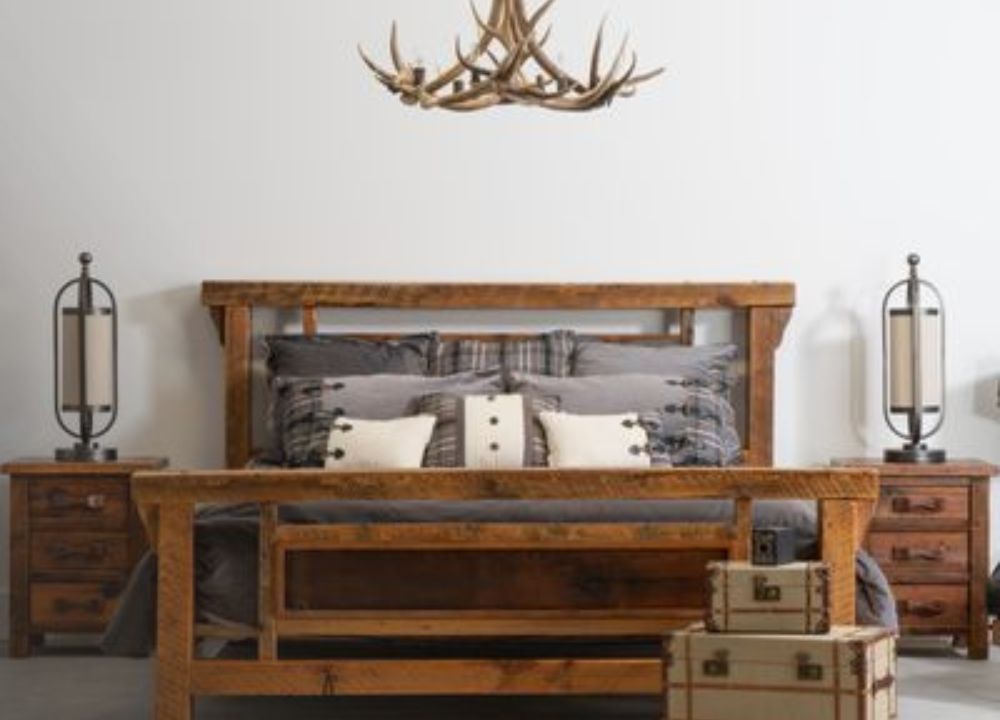
Metal and iron hardware — think black wrought-iron drawer pulls, antler-style chandeliers, and branded leather straps on cabinetry — tie the whole look together with a bit of industrial grit.
Rustic Western Decor Ideas for Every Room
This is the phrase I hear most often from friends who want to try this style but don’t know where to start: “I want rustic western decor, but I don’t want it to look like a theme park.” I get it. The line between “rustic charm” and “costume party” is thinner than people think, so here’s how I’ve approached it room by room.
Living Room: Where the Style Comes Together
The living room is almost always the anchor space for western decor, and it’s where the ranch style living room concept really earns its keep. Start with one large-scale piece — a leather sectional, a distressed wood coffee table, or a stone fireplace surround — and build outward from there.
I made the mistake early on of trying to fill every corner with “western stuff”: horseshoes, cowboy hats, mini wagon wheels. It looked cluttered and, honestly, a little silly. What actually works is restraint. One well-placed cowhide rug under the coffee table. One woven throw draped over the arm of the sofa. A single piece of framed western art — a sketch of a longhorn, a desert landscape, or vintage rodeo poster — rather than a whole gallery wall of them.
Lighting matters more than people expect. Swap out a builder-grade overhead fixture for a wrought-iron chandelier or a pair of amber-glass sconces, and the whole room’s mood shifts instantly toward warm and lived-in rather than showroom-flat.
Bedroom: Cozy, Not Cluttered
In the bedroom, western style should feel like a retreat rather than a display. A carved wood headboard, layered wool and leather-trimmed bedding, and a single statement rug on the floor go a long way. I added a small woven wall hanging above my bed and a pair of turned-wood bedside lamps, and that was genuinely enough — the room felt finished without feeling busy.
Color-wise, this is a great place to lean into the softer end of the western palette: muted clay, warm cream, and dusty sage rather than the boldest rust tones, which can feel a little intense in a space meant for winding down.
Kitchen: Old Meets New
A western-style kitchen in 2026 tends to mix old-world materials with modern function — think open wood shelving holding hand-thrown pottery, brass or black iron hardware on cabinets, and a mix of shiplap or exposed brick against stainless appliances. Antique cutting boards, cast iron skillets left out on display, and a woven runner on the floor all add character without requiring a renovation.
Bathroom: Small Touches, Big Impact
Bathrooms are often overlooked, but a few small changes make a real difference — a woven basket for towels, a turquoise-and-silver mirror frame, black iron fixtures instead of chrome, and a single piece of desert-toned art on the wall. It doesn’t take much to extend the theme here.
Modern Western Home Decor: A Cleaner, City-Friendly Take
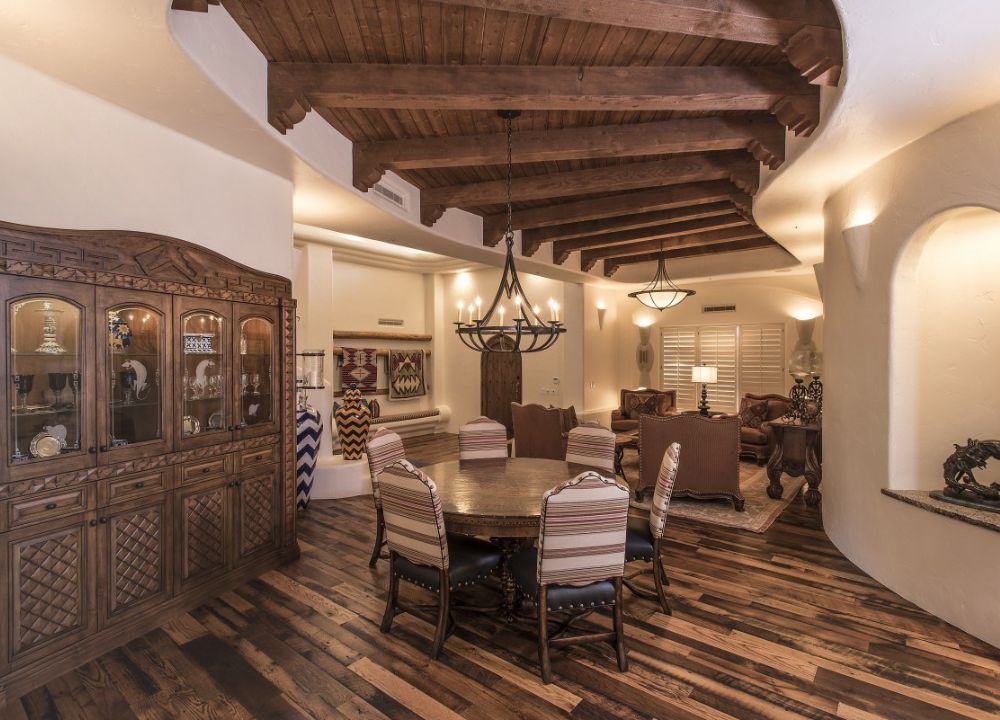
Not everyone wants the full ranch-house experience, and that’s exactly where modern western home decor comes in. This is the version of the style that trades some of the “rugged” for “refined” — cleaner lines, lighter wood tones, and a more curated, gallery-like approach to accessories.
When I moved into a small city apartment for a year, I couldn’t exactly install reclaimed barnwood beams or a stone fireplace. Instead, I leaned on modern western touches: a single leather sling chair, a sand-colored linen sofa, one framed cowboy sketch, and brass hardware on an otherwise plain dresser. It read as western-inspired without feeling like it belonged on a movie set, and it worked in a modern apartment with white walls and hardwood floors.
The key to pulling off modern western decor is editing hard. Pick two or three signature materials — say, leather, brass, and light oak — and repeat them throughout the space rather than introducing five or six competing textures. Keep the color palette calmer too: think warm neutrals with just one or two accent tones (rust or turquoise) rather than a full sunset palette across every wall.
This approach also tends to be more budget-friendly and renter-friendly, since it relies on furniture and accessories rather than structural changes like exposed beams or stone walls.
Cowhide Rugs: How to Use Them Without Overdoing It
Of every single item in this style, the cowhide rug gets the most questions from people I talk to. It’s the piece that instantly signals “western,” but it’s also the piece most likely to look wrong if placed carelessly.
A few things I’ve learned through trial and error:
First, size and placement matter more than pattern. A cowhide rug works best layered over a larger neutral jute or wool rug, rather than sitting alone on bare hardwood. The layering softens the graphic pattern and keeps the room feeling intentional rather than like a single novelty item plopped in the middle of the floor.
Second, one is (almost always) enough. A single cowhide rug under a coffee table, draped over the back of a chair, or used as a bench cover reads as stylish. Two or three scattered around the same room starts to feel like a taxidermy showroom.
Third, consider a faux cowhide if you’re on the fence — modern synthetic versions have gotten remarkably convincing, and they’re a lower-commitment way to test whether you actually like the look before investing in the real thing.
Finally, pair it with softer textures nearby — a linen throw, a wool pillow — so the room doesn’t read as “all hide, all the time.” Contrast is what makes it feel curated.
Building a Proper Ranch Style Living Room
If there’s one space worth getting exactly right, it’s the ranch style living room, since it usually sets the tone for the rest of the house. Here’s the approach that’s worked best for me across three different homes:
Start with the anchor furniture piece — usually a substantial leather sofa or sectional in a warm cognac or saddle-brown tone. This single piece does more heavy lifting than almost anything else you’ll buy.
Add a large area rug in a neutral, woven texture (think diamond-pattern wool or a chunky jute) to ground the space, then layer a smaller cowhide or Southwestern-patterned rug on top if you want extra texture.
Bring in a substantial wood coffee table — reclaimed or distressed finishes work best — and pair it with one or two accent chairs in a contrasting material, like a woven rattan chair or a single turquoise or rust-colored upholstered piece.
Lighting should feel warm and layered rather than bright and even: a wrought-iron chandelier or pendant overhead, a floor lamp with a woven or leather shade, and a table lamp or two with warm-toned bulbs.
Finally, finish with restrained accessories: one large piece of western or landscape art, a woven throw blanket, a stack of well-worn books, and maybe a single piece of pottery or a small collection of found objects like antlers or stones. Resist the urge to add more — the goal is a room that feels collected over time, not staged in a single shopping trip.
Where to See Western Decor Done Right: Real Places Worth Visiting
Reading about a style only gets you so far — actually walking through spaces that do it well is what really trains your eye. If you ever get the chance to travel, these are a few places I’d genuinely recommend for anyone serious about this aesthetic.
Santa Fe, New Mexico is probably the single best place in the country to absorb this style firsthand. The adobe architecture, the local pottery studios, and the countless galleries along Canyon Road all showcase the earthy, handcrafted side of western decor at its most authentic. Even a weekend walking through the historic Plaza will reshape how you think about color and texture.
Scottsdale, Arizona leans into a more polished, modern-western direction — high-end furniture showrooms and design districts here blend desert-modern architecture with the same leather, iron, and natural-wood materials, just with a cleaner, more contemporary edge. It’s a great reference point for anyone chasing the modern western home decor look rather than the full rustic version.
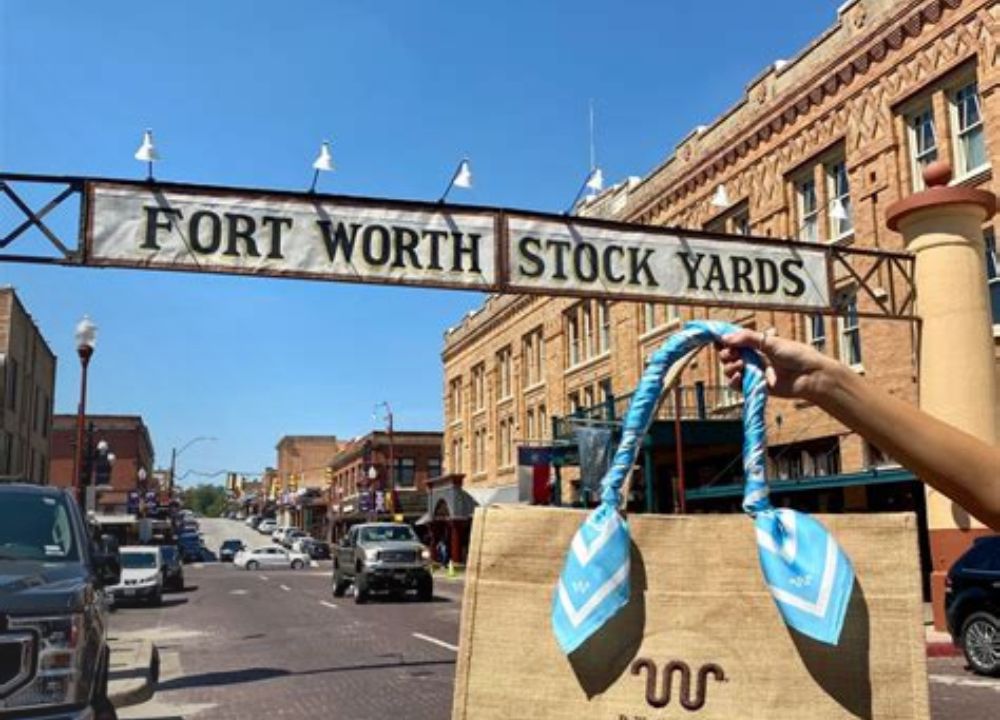
Fort Worth, Texas, particularly the historic Stockyards district, gives you the real, unpolished version of western culture that decor styles are drawing from — leather shops, saddle makers, and genuine ranching history all in one walkable area. It’s less about curated showrooms and more about seeing where the aesthetic actually comes from.
Jackson Hole, Wyoming rounds things out with a mountain-ranch take on the style — think heavier timber, stone fireplaces, and antler and hide accents set against a dramatic natural backdrop. The lodges and local shops here are a masterclass in cozy, high-end rustic design.
Common Mistakes to Avoid
After years of trial and error, a few missteps keep coming up — both in my own homes and in ones I’ve helped friends with.
Overdoing the theme is the biggest one. If every single object in a room screams “western,” it stops feeling like a home and starts feeling like a set piece. Aim for maybe three or four strong western elements per room, with everything else staying neutral.
Ignoring scale is another common issue. A tiny apartment doesn’t need a full oversized wagon-wheel chandelier — smaller, refined versions of these motifs work far better in compact spaces.
Skipping the softening layer is a subtle mistake too. Leather, wood, and iron are all hard, structural materials. Without soft textiles — linen curtains, wool throws, cotton bedding — a room can start to feel cold rather than cozy, which defeats the whole purpose of the style.
And finally, matching too perfectly. Real ranch houses accumulate their look over years, mixing pieces from different eras and sources. A room where everything was bought from one collection at one store tends to look flat. Mixing a genuine antique with a modern reproduction almost always looks better than a matched set.
Budget-Friendly Ways to Start
You don’t need a full renovation to bring this style home. A secondhand leather chair from a local marketplace, a $30 woven throw, and a single framed piece of western art can transform a room in a weekend. Flea markets and estate sales are goldmines for authentic pieces — old horseshoes, hand-tooled leather goods, and vintage pottery often show up for a fraction of retail price, and they carry far more character than anything mass-produced.
Paint is another low-cost lever. A single accent wall in a warm terracotta or clay tone can shift an entire room’s mood without touching the furniture at all. I did this in my first apartment for under $50, and it remains one of the highest-impact changes I’ve made in any home.
Final Thoughts
Western home decor endures because it isn’t really about a look — it’s about a feeling. It’s the feeling of a house that’s been lived in, cared for, and built from real materials rather than trend-chasing purchases. Whether you’re drawn to the full rustic western decor experience with reclaimed wood and cowhide rugs, or you prefer the cleaner lines of modern western home decor in a city apartment, the underlying principle is the same: choose a few honest, well-made pieces, give them room to breathe, and let the story of the space unfold naturally over time.
If you take one thing from everything above, let it be this — don’t chase perfection or try to recreate a magazine spread exactly. The best western-style rooms I’ve ever seen, including my own, always have at least one imperfect, slightly mismatched piece in them. That’s not a flaw. That’s the whole point.
Mixing Western Decor with Other Styles
One question I get constantly from friends is whether western decor can coexist with a style they already love, like mid-century modern, coastal, or Scandinavian minimalism. The honest answer is yes, and some of the most interesting rooms I’ve seen do exactly that.
Western decor pairs surprisingly well with mid-century modern because both styles share a love of warm wood tones and clean, honest furniture shapes. Swap in a leather sling chair next to a walnut mid-century credenza, add a woven throw, and the two aesthetics blend rather than clash.
Coastal and western might seem like an odd pairing on paper, but the shared use of natural fiber textures — jute, rattan, linen — makes the crossover work better than expected. A whitewashed wood console with a single turquoise accent and a woven basket can feel both breezy and rooted at once.
Scandinavian minimalism is trickier, since western decor leans maximal in texture while Scandi design leans spare. The trick is to borrow just one or two western elements — a leather chair, a single cowhide throw — and let the rest of the room stay pale, quiet, and uncluttered. This is essentially the modern western home decor approach in disguise, and it works particularly well in small apartments where a full rustic treatment would feel overwhelming.
Shopping Smart: What to Splurge On vs. What to Thrift
After outfitting three homes in this style, I’ve developed a pretty clear sense of where money is well spent and where it isn’t.
Splurge on the anchor pieces that get daily use and heavy wear — a genuine leather sofa or accent chair, a solid wood dining table, and good lighting fixtures. These are the items you’ll be living with (and sitting on, leaning on, and looking at) every single day, and cheap versions tend to show wear fast and lose their charm within a year or two.
Thrift or shop secondhand for accent pieces — side tables, picture frames, small pottery, woven baskets, and decorative objects like horseshoes or vintage tools. These items carry character precisely because of their age and imperfections, and paying full retail for a “distressed” mass-produced version often costs more than finding the real, aged thing at a flea market or estate sale.
Rugs are a middle ground. A genuine cowhide rug is worth the investment if you plan to keep it long-term, since quality hides last for decades and only look better with age. But an entry-level jute or wool base rug doesn’t need to be expensive — a budget-friendly version underneath a nicer cowhide accent rug does the job just as well as a designer one.
Frequently Asked Questions
Is western home decor still popular in 2026? Yes. If anything, it’s grown stronger this year, with design forecasters pointing to warmth, nostalgia, and handcrafted authenticity as the driving forces behind its continued rise, alongside a broader cultural interest in western fashion and music.
How do I add western style to a small apartment without overwhelming the space? Lean into the modern western home decor approach described above — pick two or three signature materials (leather, brass, light wood), keep the color palette calm, and choose one statement piece rather than several competing ones.
What’s the difference between rustic western decor and modern western home decor? Rustic western decor leans into raw, weathered materials — reclaimed barnwood, heavy stone, deep rust tones — and works best in larger or more traditional homes. Modern western home decor keeps the same material language but with cleaner lines, lighter finishes, and a more curated, gallery-style approach, making it better suited to apartments and contemporary builds.
Do I need a real cowhide rug, or is faux okay? Faux cowhide has come a long way and is a completely reasonable choice, especially if you’re testing the look before committing. If you do go with the real thing, treat it as a long-term investment piece rather than a quick decorating fix.
What colors work best for a ranch style living room? Warm, sunset-inspired tones — terracotta, ochre, sand, and muted rust — paired with a neutral base of cream, tan, or warm grey. A single deeper accent, like sage green or denim blue, adds contrast without breaking the palette.
Whatever direction you take it, western home decor rewards patience and personality over perfection. Start small, choose pieces you genuinely love, and let the room grow into itself over time.

Lahiru N Gamage is the founder and editor of Modern Lifestyle Center, a lifestyle publication focused on home decor, interior design, beauty, fashion, garden inspiration, and modern living ideas. Through carefully researched articles and practical guides, he helps readers discover creative ways to improve their homes and everyday lifestyles.
Modern Lifestyle Center is committed to providing informative, trustworthy, and inspiring content designed to help readers create beautiful, comfortable, and functional living spaces.