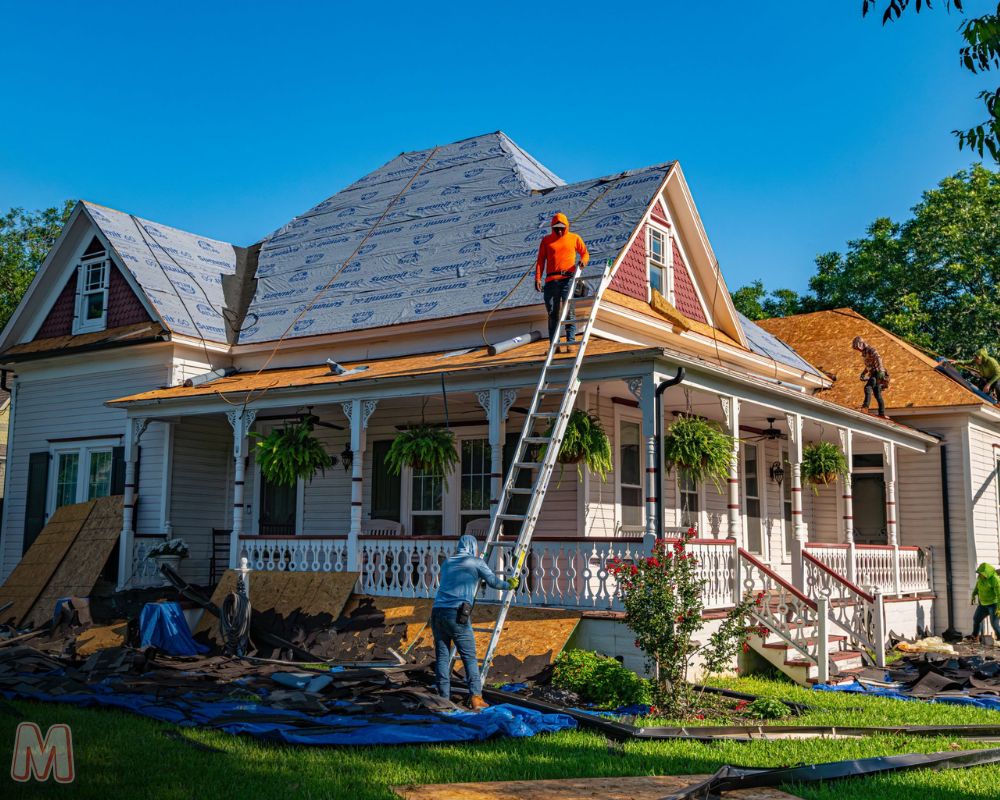
There’s something magical about an older home. The creaky floorboards, the crown molding, the slightly uneven doorframes that have seen decades of life — it all tells a story. But let’s be honest, living with outdated wiring, drafty windows, or a kitchen stuck in 1985 isn’t exactly practical either.
Table of Contents
That’s where home restoration comes in. Done right, it lets you keep everything that makes your home special while giving it the comfort, function, and style of a modern space. In this guide, we’ll walk through practical, friendly, and budget-conscious ways to restore your home without stripping away its soul.
Whether you’re renovating a century-old cottage or simply want to breathe new life into a fixer-upper, these home restoration ideas will help you strike the perfect balance between old-world charm and modern-day comfort.
Why Home Restoration Is Different From Renovation
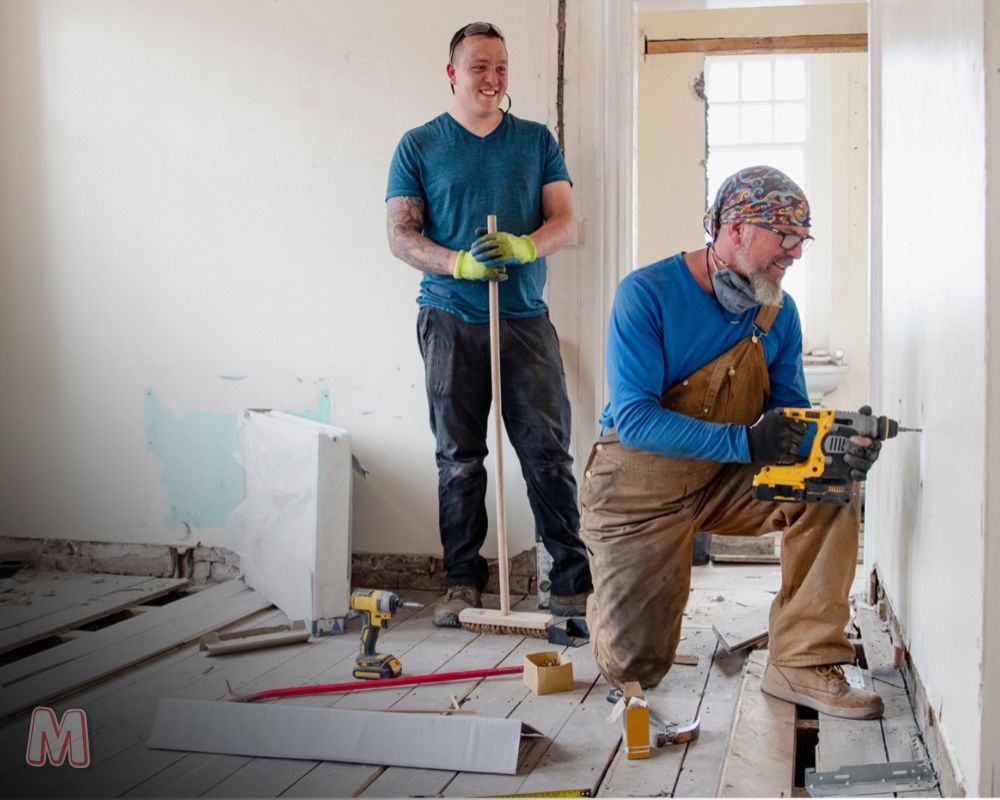
Before diving into ideas, it helps to understand what makes restoration unique. Renovation usually means updating a space to fit current trends — new layouts, modern finishes, contemporary color palettes. Restoration, on the other hand, is about honoring the original architecture and materials while making thoughtful updates.
Think of it this way: renovation asks “How do I make this space work for today?” Restoration asks “How do I preserve what’s special about this space and make it work for today?”
This distinction matters because it shapes every decision you’ll make — from the materials you choose to how much of the original structure you keep intact.
Home Restoration Ideas That Preserve Character
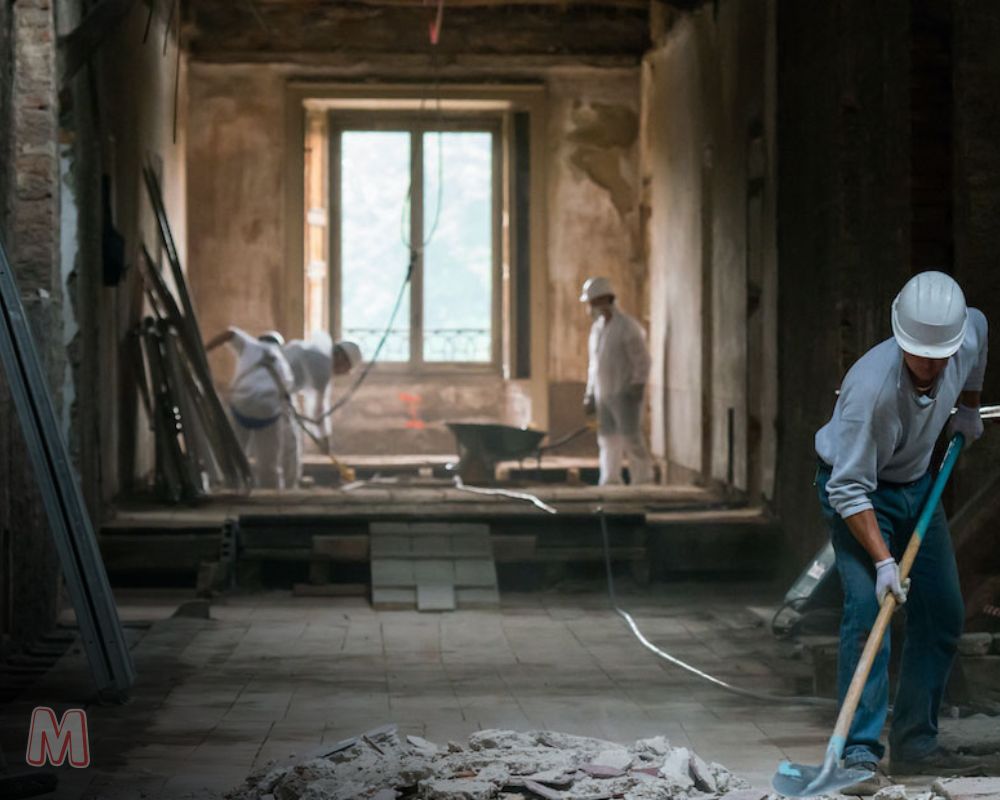
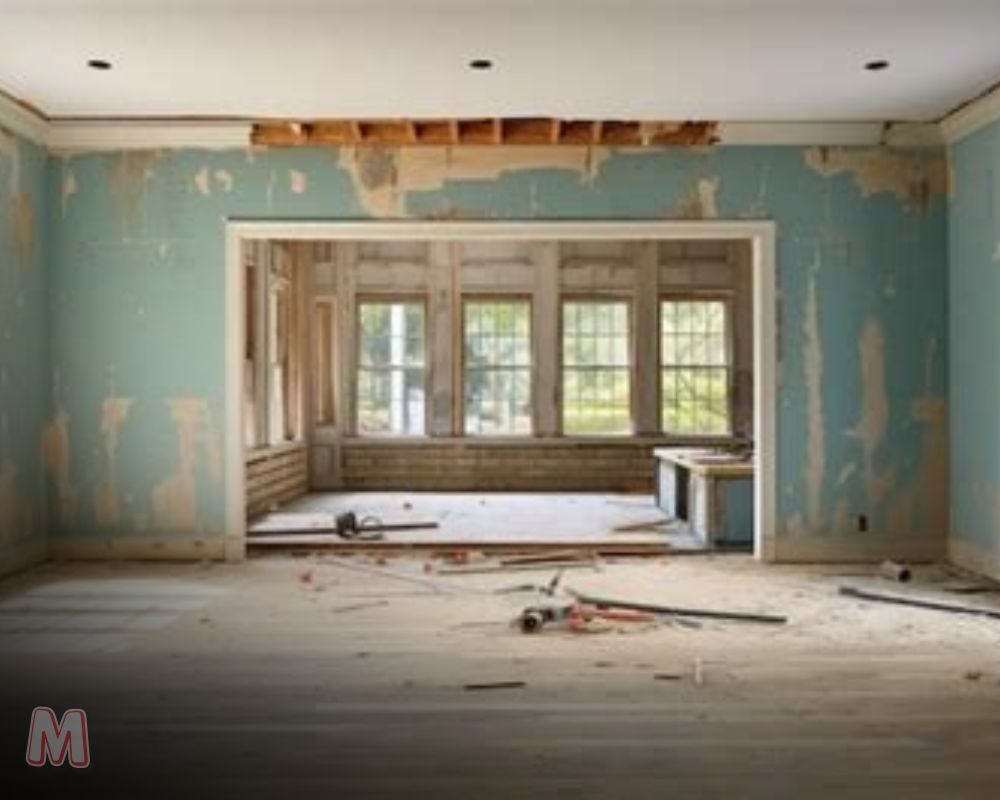
If you’re looking for genuine home restoration ideas, start by identifying the architectural details that give your home its personality. These are usually the first things worth protecting.
1. Save the Original Woodwork
Trim, molding, staircases, and hardwood floors are often the heart of a home’s character. Instead of ripping them out, consider:
- Sanding and refinishing hardwood floors instead of replacing them
- Repairing (rather than removing) crown molding and baseboards
- Restoring original doors and simply updating the hardware for a fresh look
A little elbow grease here goes a long way, and refinished original wood almost always looks better than modern replacements.
2. Keep Statement Windows, Upgrade the Function
Old windows often have gorgeous proportions and glasswork that new builds simply don’t replicate. Rather than swapping them for generic vinyl replacements, look into:
- Restoring the original frames and adding weatherstripping
- Installing storm windows for better insulation
- Repairing broken glass panes instead of replacing the whole unit
This keeps the charm intact while solving the drafty-window problem most old homes struggle with.
3. Highlight Original Brick, Stone, or Exposed Beams
If your home has exposed brick walls, stone fireplaces, or wooden beams, don’t cover them up. These features are often what buyers and guests remember most. A simple clean and reseal can make them shine again.
How to Restore an Old Home Room by Room
Knowing how to restore an old home often comes down to tackling it room by room rather than all at once. Here’s a simple breakdown to make the process less overwhelming.
Living Room
- Repair plaster walls instead of replacing them with drywall when possible
- Refinish original flooring
- Choose furniture and lighting that complements the era of the home, then mix in a few modern pieces for balance
Kitchen
Kitchens are usually the hardest room to restore because functionality matters so much here. A good approach:
- Keep original cabinetry frames if structurally sound, and simply reface or repaint them
- Choose modern appliances with a retro-inspired finish (many brands now make this easy)
- Preserve original tile patterns where possible, or recreate them with modern materials
Bathroom
- Restore clawfoot tubs instead of replacing them
- Look for reproduction tile patterns that match the home’s original era
- Update plumbing fixtures for efficiency while keeping vintage-style finishes
Bedrooms
- Focus on lighting — restoring original fixtures or choosing vintage-inspired lighting can transform a room instantly
- Keep original built-ins like closets or shelving, and simply refresh the paint or hardware
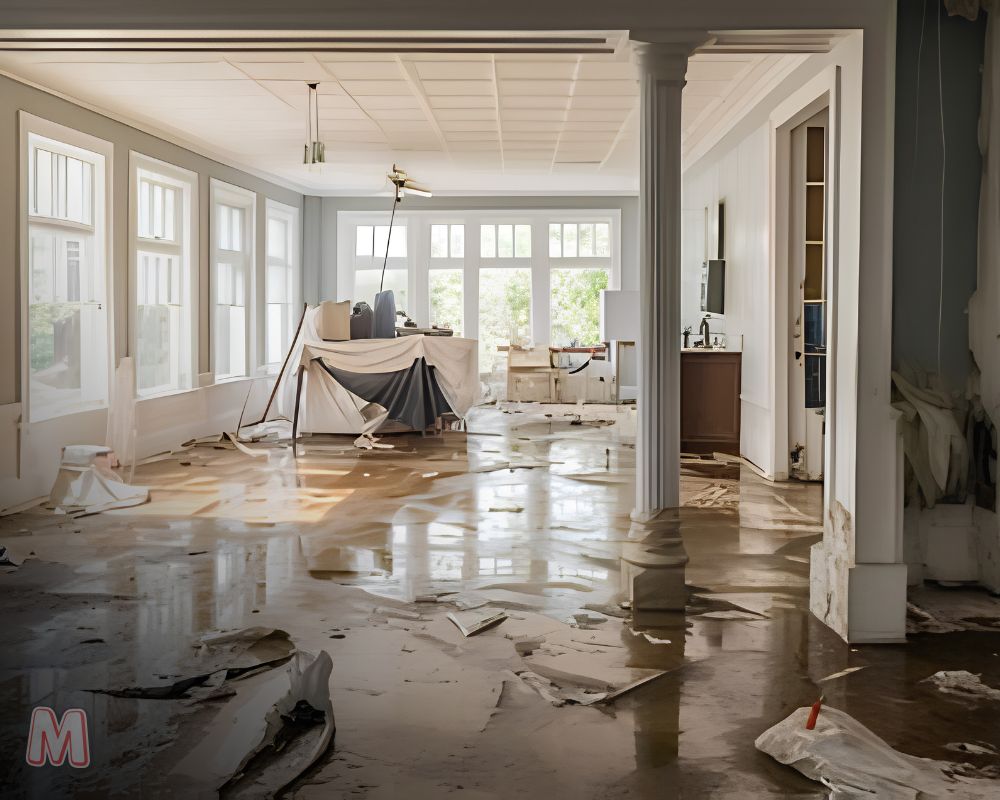
Home Restoration on a Budget
One of the biggest myths about restoration is that it has to be expensive. In reality, home restoration on a budget is absolutely achievable if you prioritize wisely.
Start With a Restoration Priority List
Not every project needs to happen at once. Rank tasks by:
- Safety and structural needs (roof, foundation, electrical, plumbing)
- Features that are irreplaceable if damaged further (original woodwork, windows, plaster)
- Cosmetic updates that can wait (paint, décor, minor fixtures)
This keeps you from overspending on things that can be tackled later.
DIY What You Can, Hire What You Shouldn’t
Painting, minor refinishing, and cosmetic touch-ups are great DIY projects. Structural work, electrical, and plumbing should always go to licensed professionals — cutting corners here can cost far more down the road.
Shop Salvage Yards and Reclaimed Materials
Architectural salvage yards are a treasure trove for restoration projects. You can often find:
- Original doors and hardware from homes of the same era
- Reclaimed wood flooring
- Vintage light fixtures and fireplace mantels
Not only is this budget-friendly, it also keeps your restoration authentic to the home’s original period.
Repair Before You Replace
A recurring theme in budget restoration: repair first, replace only when necessary. Refinishing existing materials is almost always cheaper than sourcing new ones — and it keeps more of the home’s original character intact.
Restoring and Modernizing Interior Design Together
The real skill in restoring and modernizing interior design is blending old and new so seamlessly that neither one feels out of place. Here’s how to do it well.
Use a “70/30” Approach
A helpful rule of thumb: keep about 70% of the room rooted in its original character (architecture, key furniture pieces, color palette inspired by the era) and let the remaining 30% be modern touches — lighting, textiles, or a statement modern chair.
Let Architecture Guide Your Color Palette
Older homes often have historically appropriate color schemes. You don’t have to be a purist, but leaning into warmer, richer tones for Victorian-era homes or clean, earthy palettes for mid-century homes helps the space feel cohesive.
Mix Textures, Not Just Styles
Modern interiors often lean on sleek, smooth materials — glass, metal, polished stone. Restored homes usually have more texture — wood grain, plaster, brick. Combining both creates a layered, collected-over-time look rather than a mismatched one.
Update Lighting Last, Not First
Lighting has one of the biggest visual impacts on a space, and it’s an easy way to modernize without touching the architecture. Layer in updated lighting — recessed lighting for function, statement fixtures for character — once the bones of the room are restored.
Common Mistakes to Avoid During Home Restoration
Even well-intentioned restorations can go wrong. Watch out for these common pitfalls:
- Removing original features too quickly. Once original woodwork, tile, or plaster is gone, it’s gone for good. Always assess whether something can be repaired before demolition.
- Ignoring structural issues for cosmetic wins. A beautifully painted room means little if the foundation or roof has unresolved issues.
- Over-modernizing. Stripping away too much character can leave a restored home feeling like any other generic renovation.
- Skipping permits and professional inspections. Older homes often have outdated wiring or plumbing that needs to meet current code — don’t skip this step to save time.
Final Thoughts
Home restoration is really about respect — respect for the craftsmanship of the past and respect for how you want to live today. When you preserve character while thoughtfully updating function, you end up with a home that feels timeless rather than trendy.
Take it one room at a time, prioritize repairs over replacements where you can, and don’t be afraid to mix in modern touches that make daily life easier. The result is a home that tells its original story while comfortably fitting your life now.
Frequently Asked Questions
1. What is the difference between home restoration and renovation? Restoration focuses on preserving and repairing a home’s original architecture and materials, while renovation typically involves updating a space to modern styles and layouts, sometimes replacing original features entirely.
2. How much does home restoration typically cost? Costs vary widely depending on the home’s age, size, and condition, but prioritizing repairs over replacements — and tackling cosmetic work yourself — can significantly reduce expenses compared to a full renovation.
3. Can I restore an old home myself, or do I need a professional? Cosmetic tasks like refinishing floors or repainting trim are great DIY projects. However, structural, electrical, and plumbing work should always be handled by licensed professionals to ensure safety and code compliance.
4. How do I modernize a restored home without losing its character? Focus on layering modern updates like lighting and textiles into a space while keeping the original architecture, woodwork, and color palette as the foundation. A good rule of thumb is keeping about 70% original character and 30% modern touches.
5. What should I prioritize first in a home restoration project? Always start with safety and structural needs — roof, foundation, electrical, and plumbing — before moving on to irreplaceable original features, and finally cosmetic updates.

Lahiru N Gamage is the founder and editor of Modern Lifestyle Center, a lifestyle publication focused on home decor, interior design, beauty, fashion, garden inspiration, and modern living ideas. Through carefully researched articles and practical guides, he helps readers discover creative ways to improve their homes and everyday lifestyles.
Modern Lifestyle Center is committed to providing informative, trustworthy, and inspiring content designed to help readers create beautiful, comfortable, and functional living spaces.