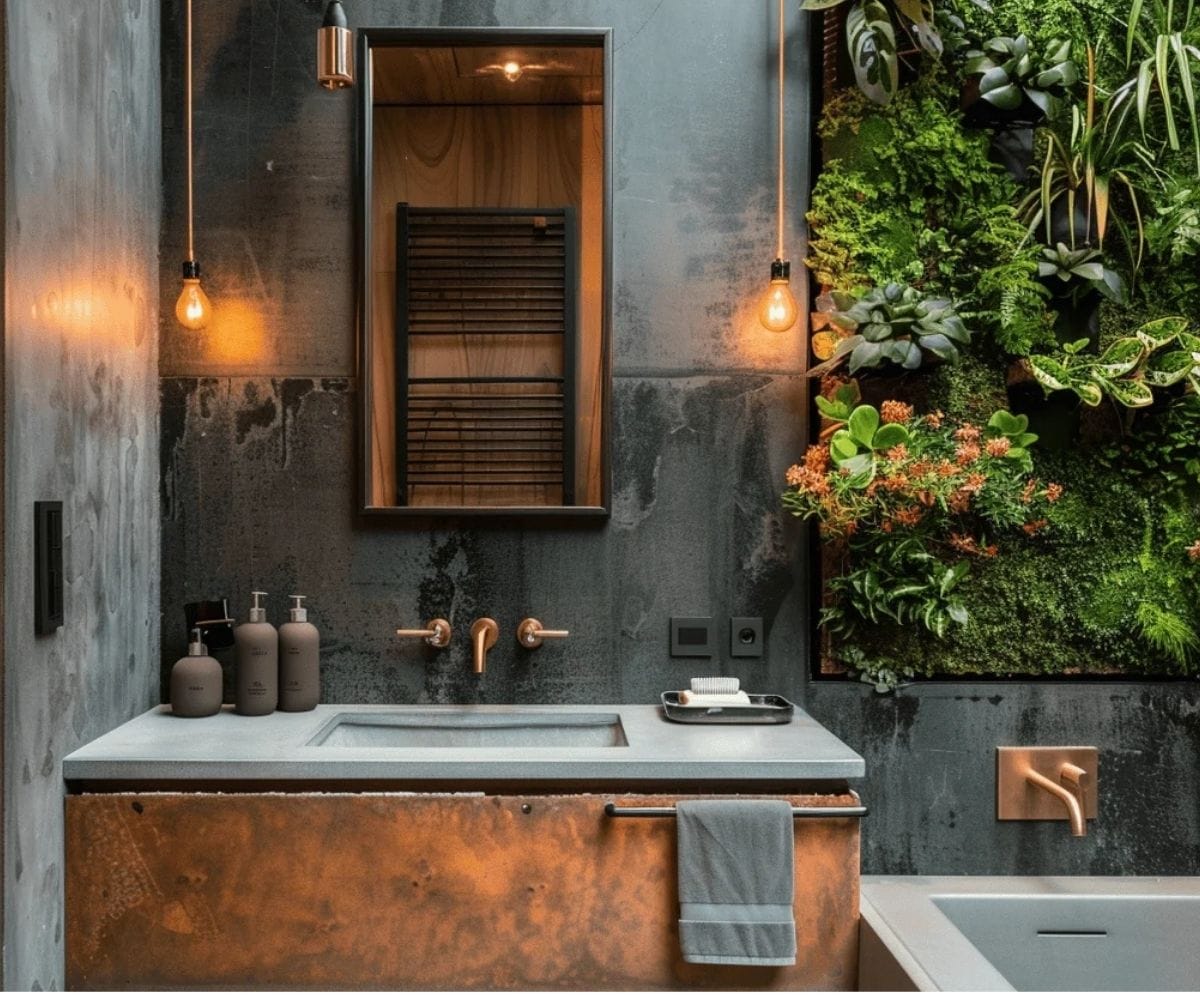
Walking into a bathroom that feels calm, warm, and grounded is one of the simplest luxuries in home design. That’s exactly what an earth tone bathroom delivers. Instead of stark whites or cold grays, earth tone palettes bring in soft browns, warm beiges, muted greens, terracotta, and sandy neutrals that mimic the natural world. The result is a space that feels more like a spa retreat than a functional room you rush through every morning.
Table of Contents
In this guide, we’ll walk through everything you need to know to plan, design, and style your own earth tone bathroom — from choosing the right color palette to selecting materials, fixtures, and decor that bring the look together. Whether you’re renovating from scratch or just refreshing your current space, you’ll find practical, budget-friendly ideas you can use right away.
What Is an Earth Tone Bathroom?
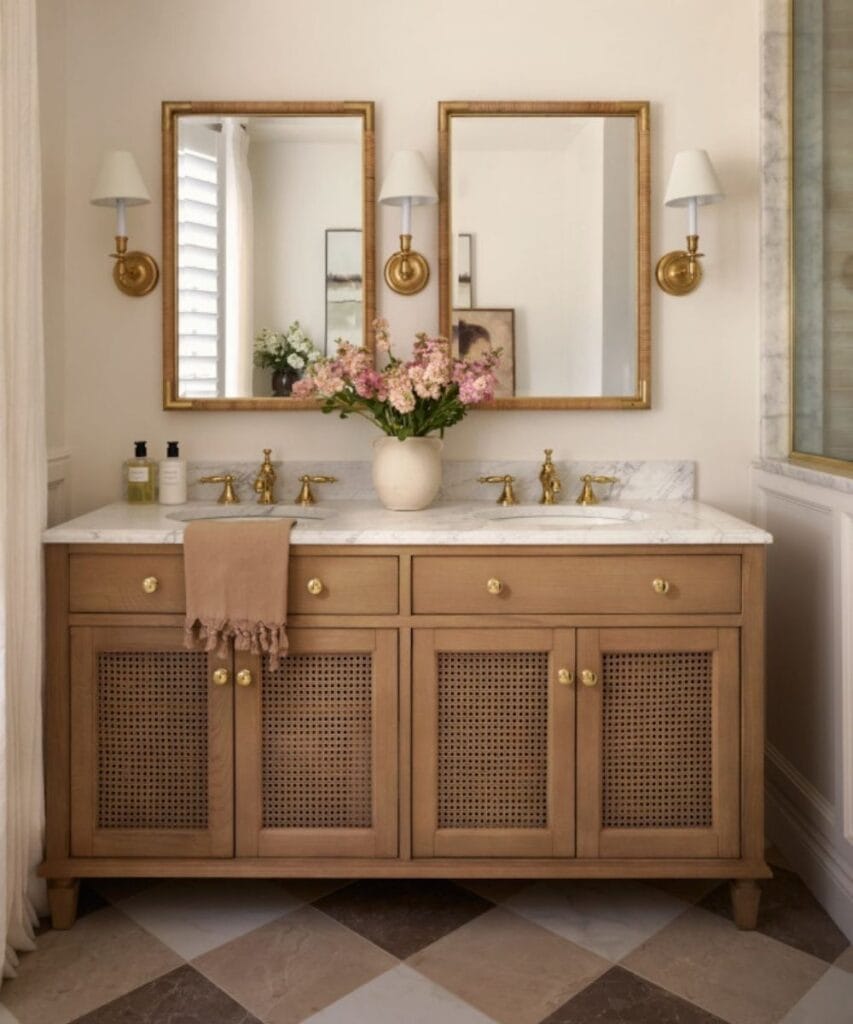
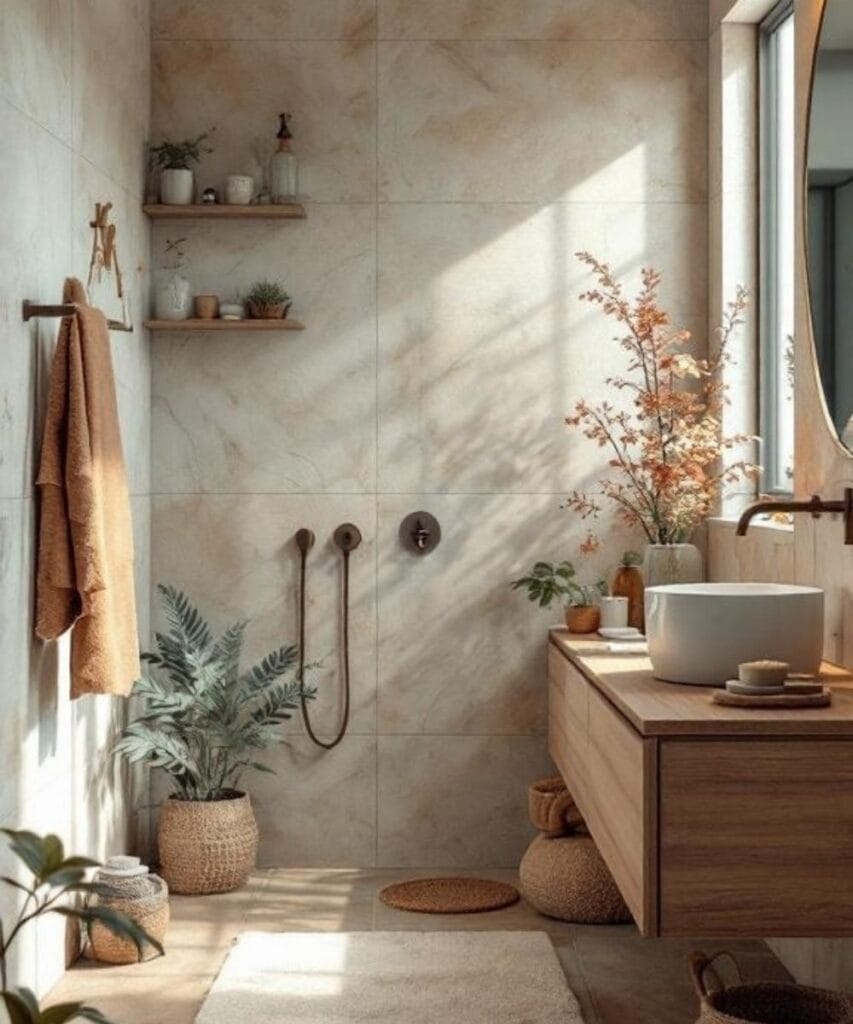
An earth tone bathroom is a design style built around colors and materials found in nature — think clay, sand, stone, wood, moss, and warm terracotta. Rather than relying on bright or bold colors, earth tones use a muted, harmonious palette that creates a soothing, cohesive look.
This style has grown in popularity because it works well in almost any home, regardless of size or architectural style. It’s equally at home in a modern minimalist bathroom, a cozy farmhouse-style space, or a rustic cabin retreat. The versatility is part of why so many homeowners search for earth tone bathroom ideas when planning a renovation — the palette adapts to nearly any layout or budget.
Earth tone design isn’t a passing trend either. It draws from biophilic design principles — the idea that humans feel calmer and more comfortable in spaces that connect them to nature. That’s a big part of why earth tone bathrooms feel so relaxing to be in.
Why Choose Earth Tones for Your Bathroom?
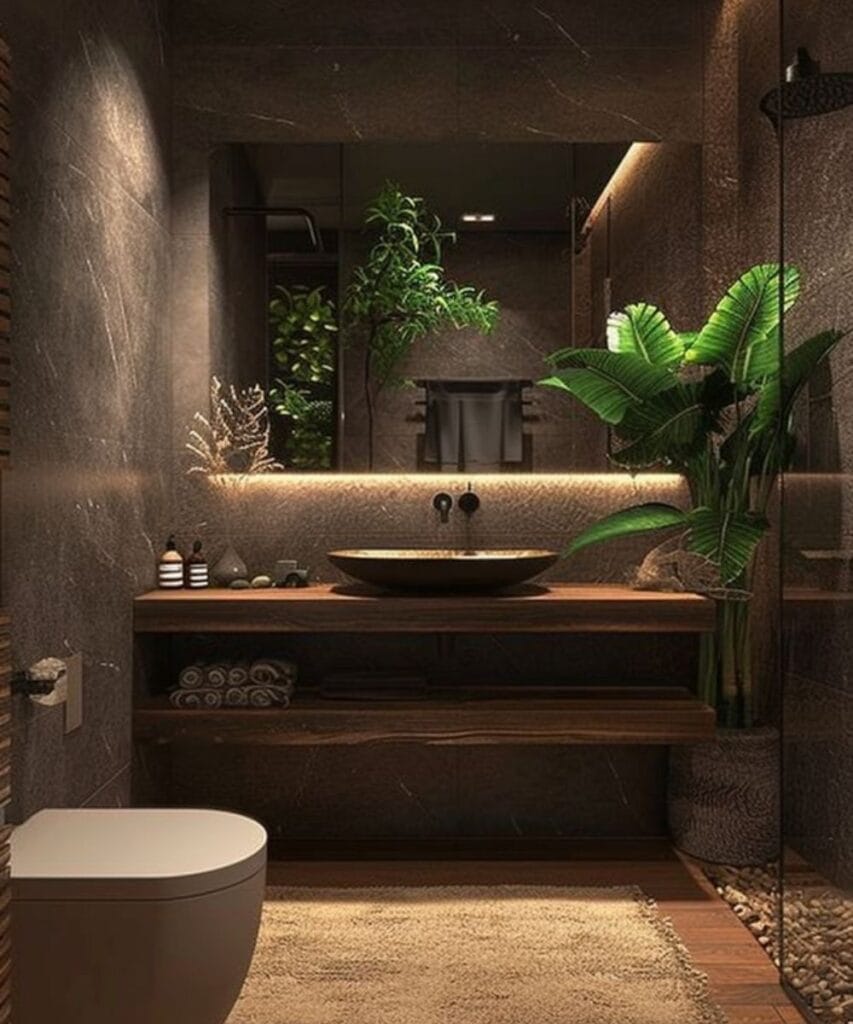
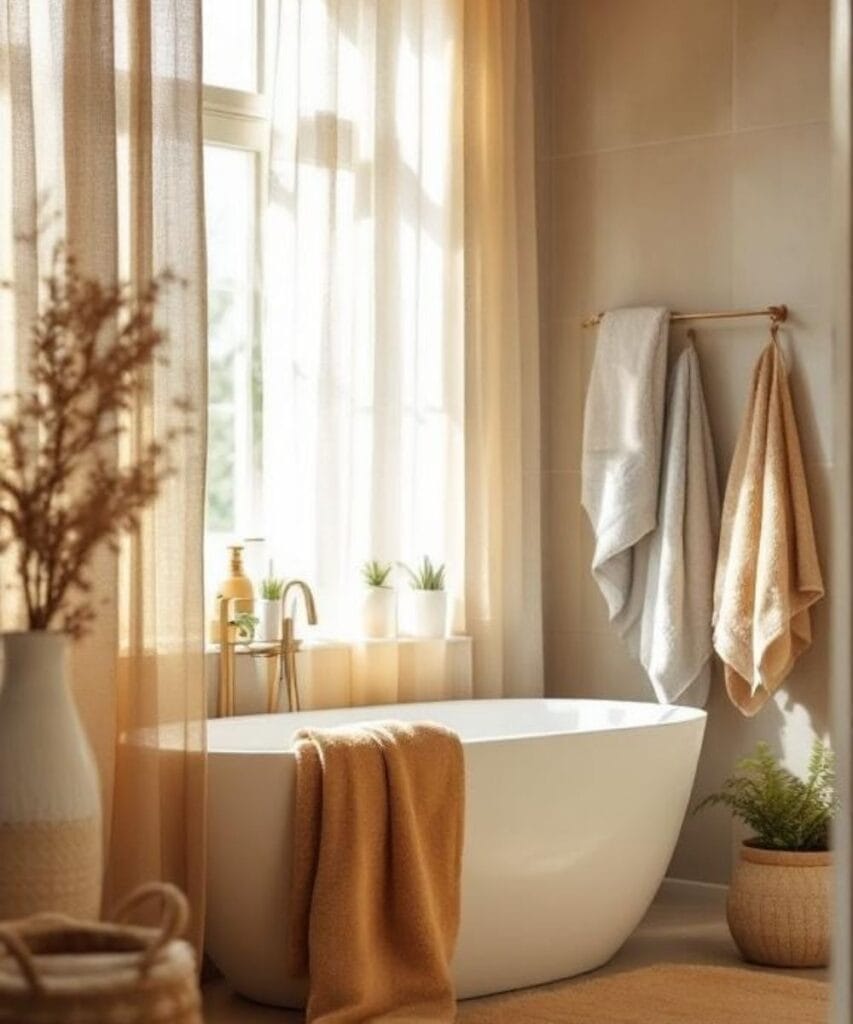
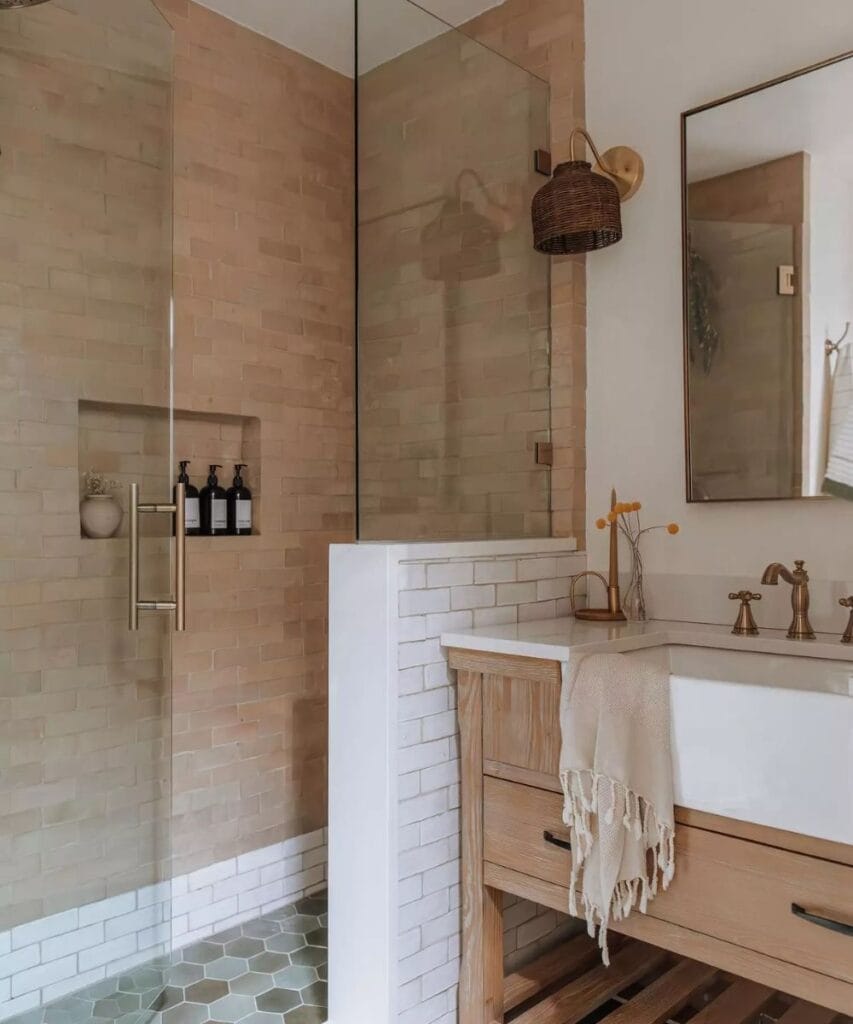
Before diving into specific colors and materials, it helps to understand why this style continues to be a favorite among homeowners and designers alike.
1. It Creates a Calming, Spa-Like Atmosphere
Warm neutrals and soft greens naturally slow things down. A bathroom is often the one room in the house meant for relaxation, and earth tones support that mood far better than high-contrast or overly bright color schemes.
2. It’s Timeless
Unlike trend-driven colors that can feel dated within a few years, earth tones have a long shelf life. Clay, sand, and stone-inspired shades have been used in interior design for decades and continue to look fresh.
3. It Pairs Well With Natural Materials
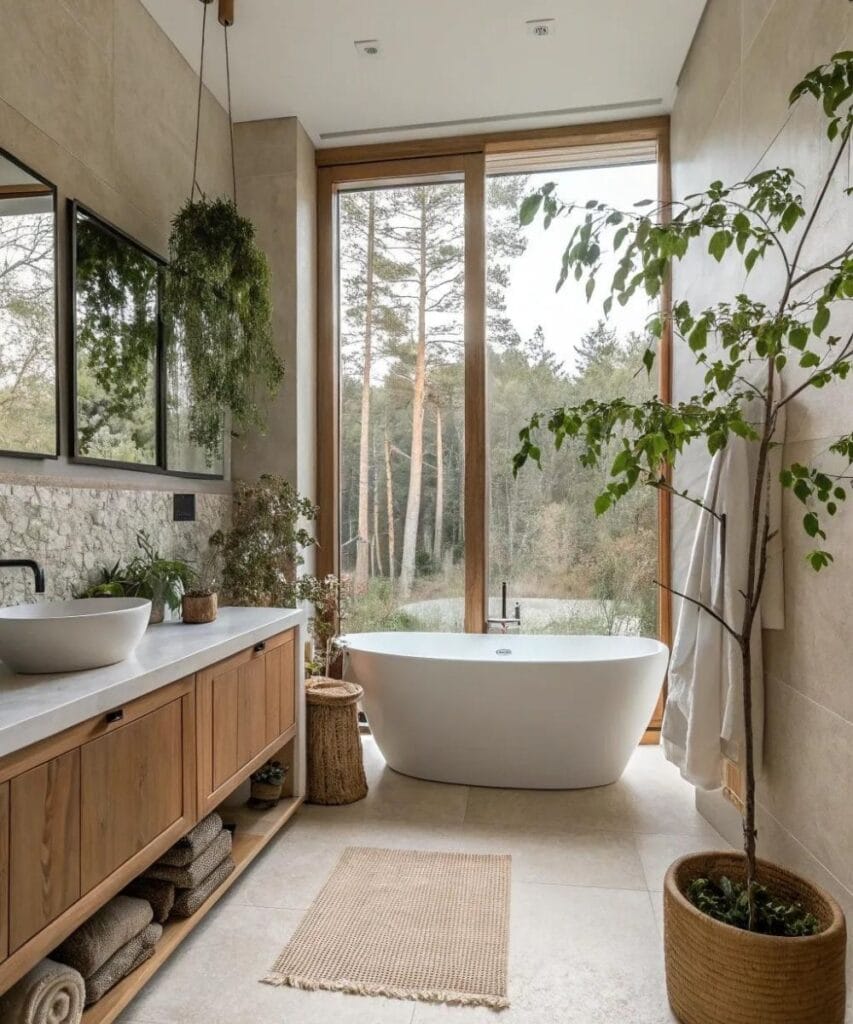
Wood vanities, stone countertops, woven baskets, and linen textiles all complement an earth tone palette effortlessly. This makes it easier to source materials and furniture without hunting for a very specific shade.
4. It Works in Small and Large Spaces
Because earth tones are soft and layered rather than stark, they don’t overwhelm small bathrooms the way bold colors can. At the same time, they add warmth and depth to larger spaces that might otherwise feel clinical.
Choosing Your Earth Tone Color Palette
The foundation of any successful earth tone bathroom decor plan is the color palette. Here are the most popular shades to consider, along with how to use them.
Warm Neutrals
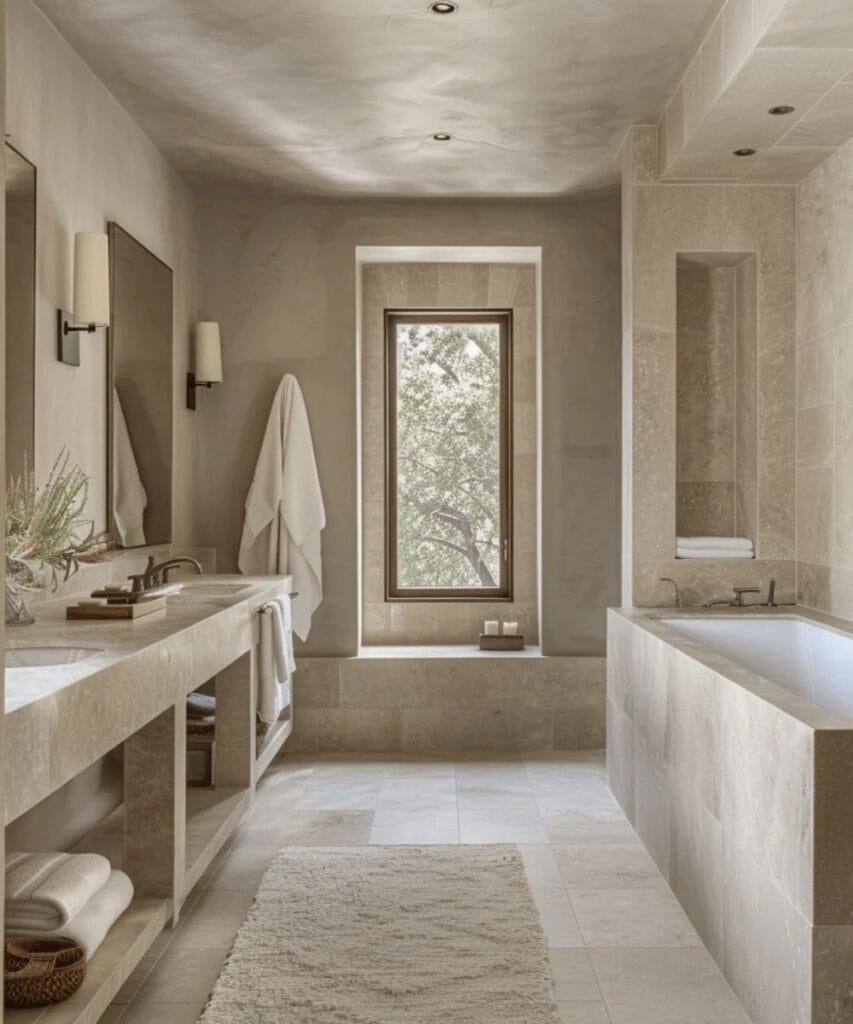
Beige, sand, oatmeal, and taupe form the base of most earth tone designs. These shades work beautifully on walls, large tile areas, and vanities because they create a soft backdrop without competing with other elements.
Terracotta and Clay
Terracotta adds warmth and a hint of boldness without straying from the natural palette. It’s a great accent color for towels, small tile details, planters, or a statement vanity.
Soft Greens
Sage, olive, and moss green bring in a garden-like freshness. These shades pair particularly well with wood tones and work well on accent walls, cabinetry, or tile.
Deep Browns
Chocolate brown, walnut, and espresso tones ground the space and add richness. These are ideal for vanities, flooring, and trim details.
Stone Grays
Warm grays — as opposed to cool, blue-toned grays — bridge neutrals and darker tones. They’re especially useful for countertops and larger tile surfaces.
Design tip: A well-balanced earth tone bathroom typically uses a 60-30-10 ratio: 60% of a warm neutral as the base, 30% of a secondary tone (like clay or green), and 10% of an accent shade (like deep brown or black) for contrast.
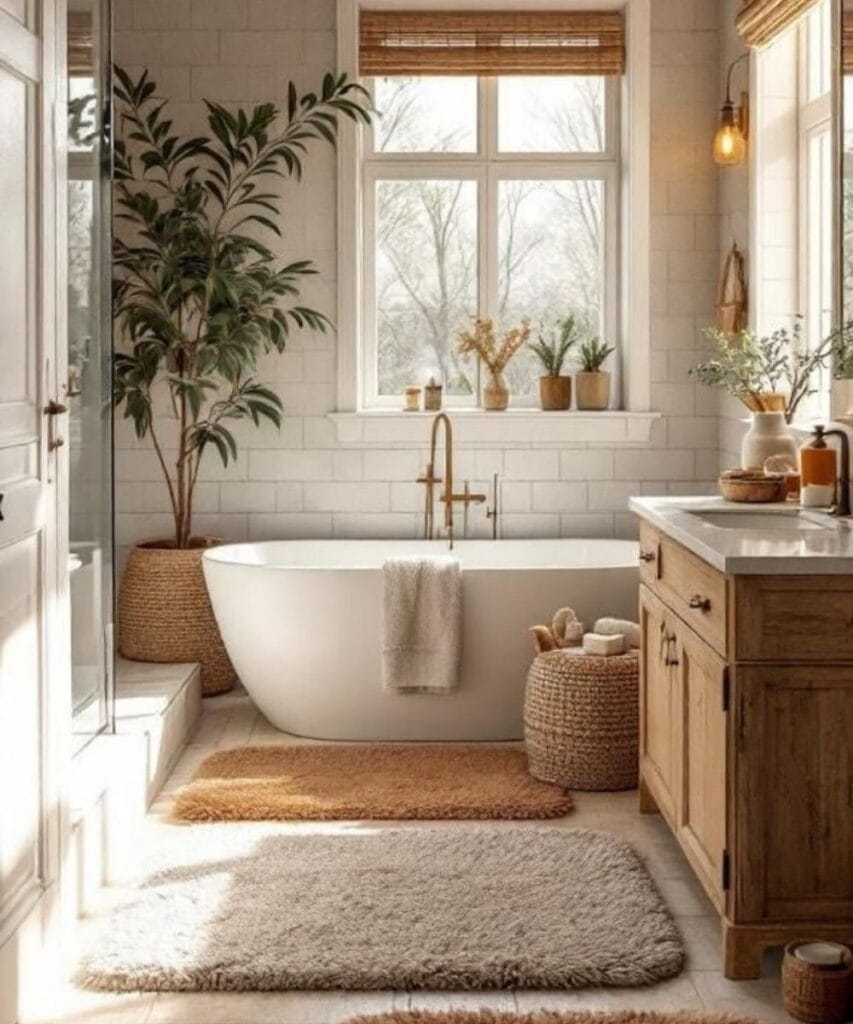
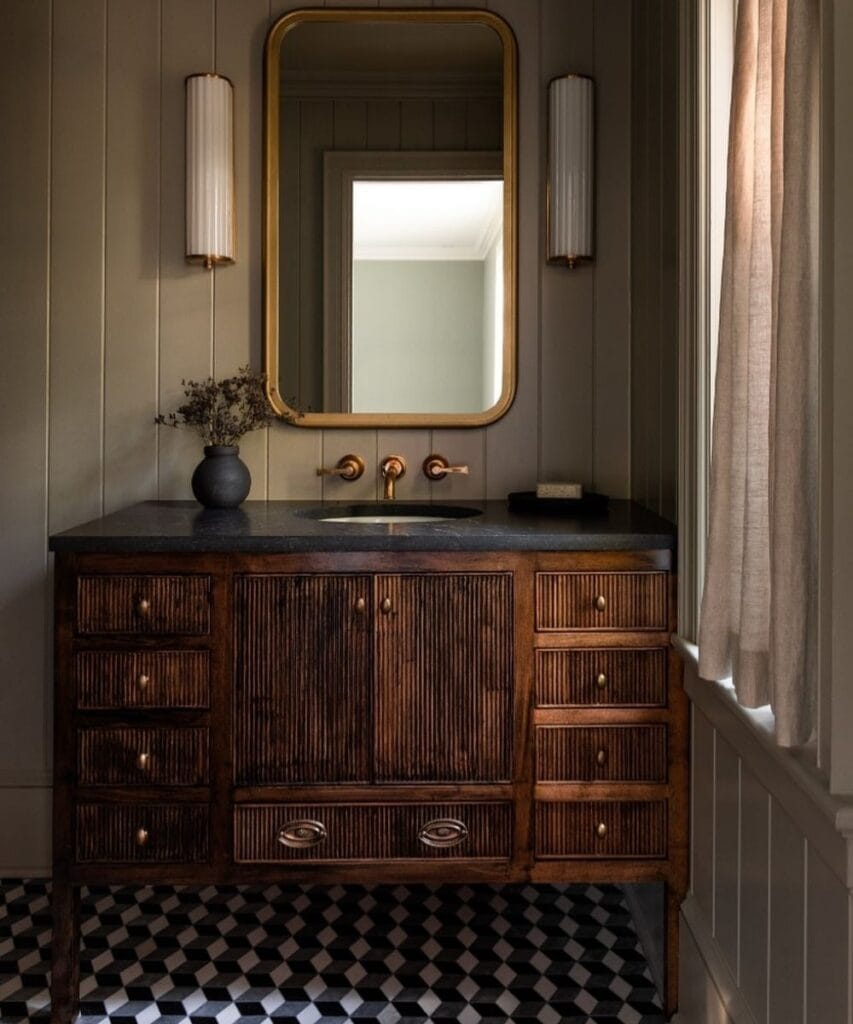
Popular Earth Tone Bathroom Designs
If you’re not sure where to start, these earth tone bathroom designs are a great source of inspiration depending on your space and style preferences.
1. Modern Minimalist Earth Tone Bathroom
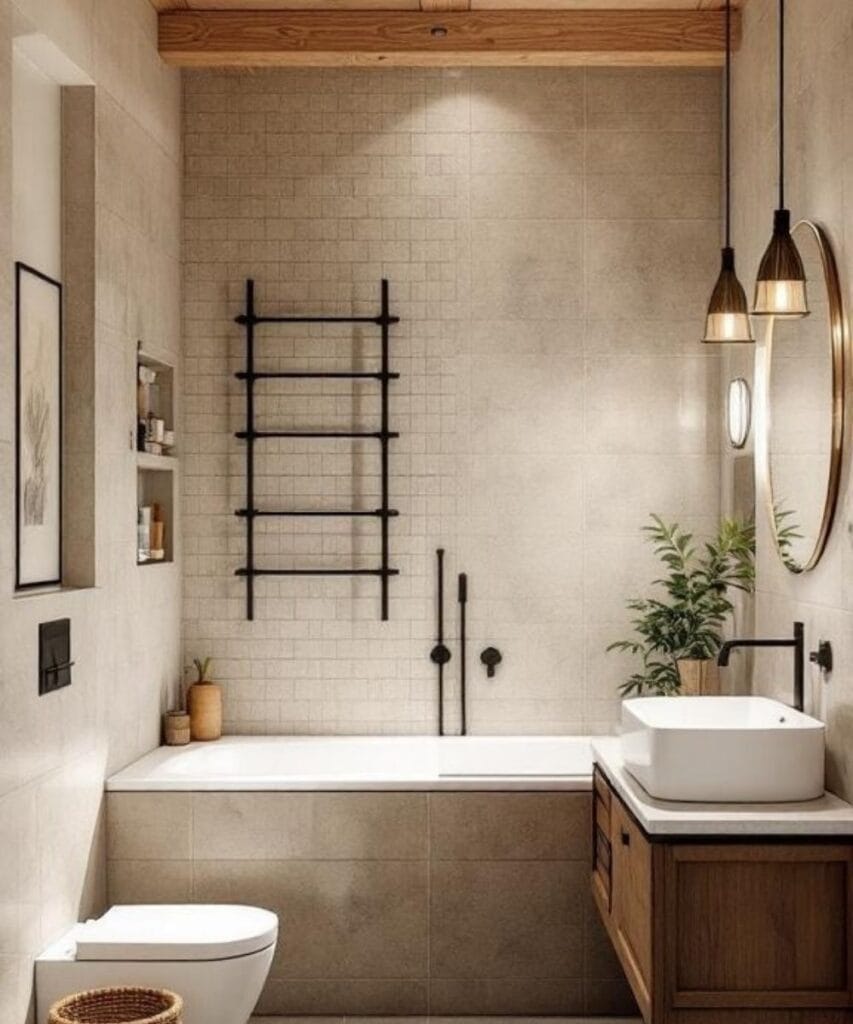
This design uses clean lines, matte finishes, and a restrained palette of sand, warm gray, and black hardware. Floating vanities and hidden storage keep the space feeling uncluttered while the warm tones prevent it from feeling cold.
2. Japandi-Inspired Bathroom
Combining Japanese minimalism with Scandinavian warmth, this style pairs light wood, soft beige walls, and simple ceramic accessories. It’s an excellent choice for anyone who wants a serene, clutter-free bathroom.
3. Rustic Farmhouse Bathroom
Think exposed wood beams, clay-colored tile, and vintage-inspired fixtures. This design leans into texture — rough stone, woven baskets, and linen textiles all add depth.
4. Mediterranean-Inspired Bathroom
Warm terracotta tile, plaster-textured walls, and brass fixtures create a sun-soaked, old-world feel. This design works particularly well with arched mirrors and natural stone countertops.
5. Desert Modern Bathroom
Inspired by the colors of the American Southwest, this look combines sandy neutrals, dusty rose, and clay accents with black matte fixtures for contrast.
Whichever style resonates with you, the key is consistency — pick one or two design influences rather than mixing too many, so the space feels intentional rather than cluttered.
Materials That Bring Earth Tones to Life
Color is only part of the equation. The materials you choose play an equally important role in achieving an authentic, natural look.
Wood
Wood vanities, shelving, and stools instantly add warmth. Look for oak, walnut, or teak for a durable option that holds up well in humid environments (make sure it’s properly sealed).
Natural Stone
Travertine, limestone, and slate are popular choices for countertops, flooring, and shower walls. These materials naturally carry the subtle color variation that defines the earth tone aesthetic.
Clay and Terracotta Tile
Handmade-look tiles with slight texture and color variation add authenticity. These work especially well as an accent wall in a shower or behind a vanity.
Woven Textures
Rattan, jute, and seagrass baskets or mirrors add organic texture that softens hard surfaces like tile and stone.
Linen and Cotton Textiles
Soft, natural-fiber towels, bath mats, and shower curtains in warm neutral tones complete the look while keeping the space feeling soft and lived-in.
Step-by-Step: How to Design Your Earth Tone Bathroom
If you’re ready to start planning, here’s a simple framework to follow.
Step 1: Pick Your Base Neutral
Choose one warm neutral (like sand, oatmeal, or warm gray) for your largest surfaces — walls, floor tile, or countertops.
Step 2: Choose a Secondary Tone
Select a second color, such as terracotta or sage green, for cabinetry, an accent wall, or textiles.
Step 3: Add a Grounding Dark Tone
Use a deep brown or black for hardware, mirror frames, or lighting fixtures to add contrast and definition.
Step 4: Layer in Natural Materials
Incorporate wood, stone, and woven textures through furniture, shelving, and accessories.
Step 5: Bring in Greenery
Live plants — like pothos, snake plants, or eucalyptus — reinforce the natural theme and thrive in bathroom humidity.
Step 6: Finish With Lighting
Warm-toned lighting (2700K–3000K bulbs) enhances earth tones far better than cool white light, which can wash out warm colors.
Budget-Friendly Earth Tone Bathroom Ideas
You don’t need a full renovation to achieve this look. Here are some accessible ways to bring earth tones into your bathroom:
- Paint an accent wall in terracotta, sage, or warm taupe.
- Swap hardware — new drawer pulls and faucets in brushed brass or matte black make an instant difference.
- Add textiles — new towels, a bath mat, and a shower curtain in warm neutral tones.
- Introduce plants — even a single plant adds life and color.
- Update your mirror — a wood-framed or rattan mirror instantly warms up the space.
- Layer baskets and trays for storage that doubles as decor.
- Change your lighting to warmer bulbs for an instant mood shift.
These small updates are a great way to test the style before committing to a larger renovation.
Common Mistakes to Avoid
While earth tone bathrooms are fairly forgiving, there are a few pitfalls worth avoiding:
Using too many competing tones. Stick to a cohesive palette rather than mixing unrelated warm and cool colors.
Skipping contrast. Without a darker accent tone, an all-neutral bathroom can feel flat. Add depth with black or dark wood details.
Cool-toned lighting. Bright white or blue-toned LED lighting can make warm colors look dull or muddy. Stick with warm white bulbs.
Ignoring texture. A room painted entirely in one flat finish can feel one-dimensional. Mix matte, textured, and natural finishes for visual interest.
Overlooking ventilation. Natural materials like wood and woven baskets need good airflow to prevent moisture damage in a bathroom environment.
Frequently Asked Questions
What colors are considered earth tones? Earth tones typically include browns, tans, terracotta, sage green, warm grays, and deep clay shades — colors inspired by soil, stone, wood, and plants.
Do earth tone bathrooms work in small spaces? Yes. Because earth tones are soft and layered rather than high-contrast, they tend to make small bathrooms feel cozy rather than cramped. Lighter neutrals as the base color help keep the space feeling open.
What’s the difference between earth tones and neutral colors? While earth tones are a type of neutral, they specifically reference colors found in nature — like clay, sand, and moss — rather than the grays and whites typically used in modern minimalist design.
Can I combine earth tones with other design styles? Absolutely. Earth tones pair well with Scandinavian, farmhouse, Mediterranean, and modern minimalist styles, making them one of the most flexible palettes to work with.
FAQ
1. What colors are considered earth tones?
Earth tones typically include browns, tans, terracotta, sage green, warm grays, and deep clay shades — colors inspired by soil, stone, wood, and plants.
2. Do earth tone bathrooms work in small spaces?
Yes. Because earth tones are soft and layered rather than high-contrast, they tend to make small bathrooms feel cozy rather than cramped. Using a lighter neutral as the base color helps keep the space feeling open and airy.
3. What’s the difference between earth tones and neutral colors?
While earth tones are a type of neutral, they specifically reference colors found in nature — like clay, sand, and moss — rather than the grays and whites typically used in modern minimalist design.
4. Can I combine earth tones with other design styles?
Absolutely. Earth tones pair well with Scandinavian, farmhouse, Mediterranean, and modern minimalist styles, making it one of the most flexible palettes to design around.
5. How much does it cost to create an earth tone bathroom?
Costs vary widely depending on scope. A budget refresh using paint, new hardware, textiles, and plants can cost as little as $200–$500. A mid-range update with new tile, a vanity, and lighting typically runs $3,000–$10,000, while a full renovation with natural stone and custom cabinetry can exceed $15,000–$25,000+.
Final Thoughts
An earth tone bathroom offers something increasingly rare in home design: a space that feels genuinely calming rather than cold or clinical. By combining warm neutrals, natural materials, and thoughtful lighting, you can create a room that feels connected to nature — no matter where your home is located.

Lahiru N Gamage is the founder and editor of Modern Lifestyle Center, a lifestyle publication focused on home decor, interior design, beauty, fashion, garden inspiration, and modern living ideas. Through carefully researched articles and practical guides, he helps readers discover creative ways to improve their homes and everyday lifestyles.
Modern Lifestyle Center is committed to providing informative, trustworthy, and inspiring content designed to help readers create beautiful, comfortable, and functional living spaces.