
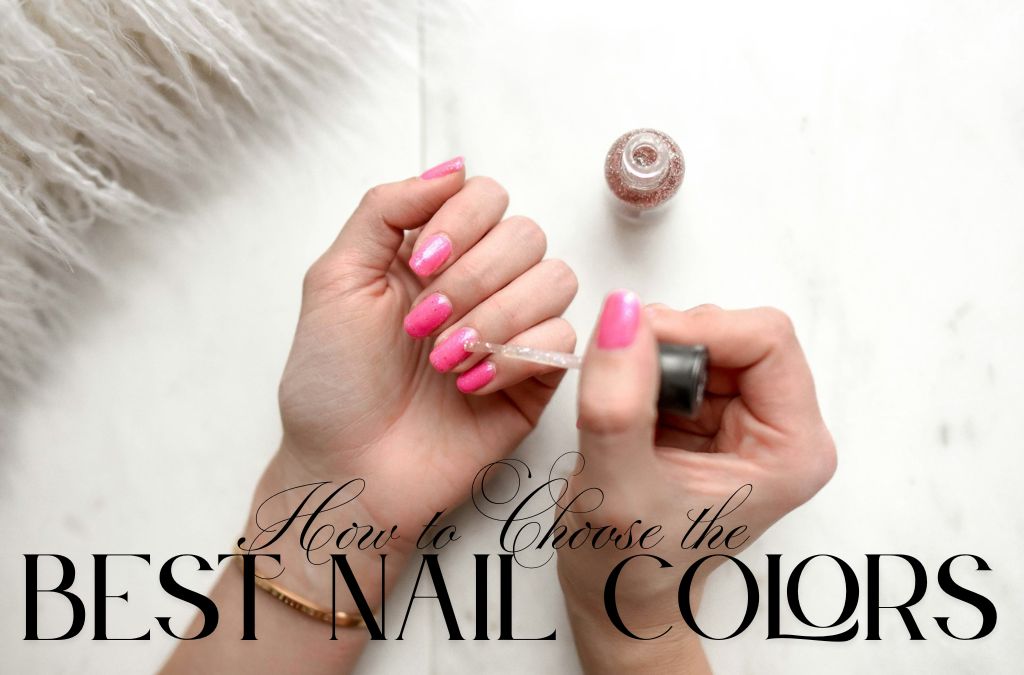
When I first started experimenting with nail polish, I believed that choosing a color was simply a matter of picking something I liked. If a shade looked gorgeous in the bottle or stunning in a Pinterest photo, I assumed it would look just as good on my own nails. It took a few disappointing manicures before I realized that the same polish can look completely different from one person to the next. Skin tone, undertone, and lighting all change the way a color appears on your hands, and understanding this made me far more confident in my choices.
In this guide, I’ll share what I learned through trial and error, along with practical information that will help you find the best nail colors for your own complexion. Whether you love soft neutrals or dramatic darks, a little knowledge can save you time, money, and a lot of chipped manicures you never really loved.
Understanding Skin Tone and Undertone Before Picking the Best Nail Colors
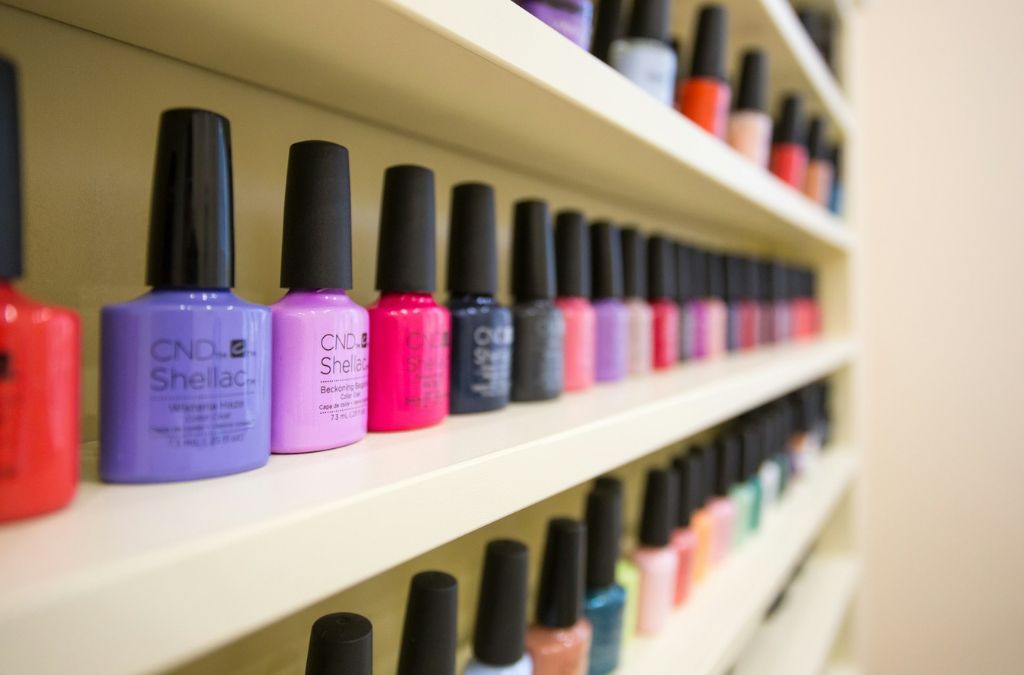
One of the biggest lessons I learned is that a popular color is not automatically the most flattering one. A shade that dominates social media may look lovely on one person and strangely dull on another. I noticed this most with pale Neutrals . Some very light Neutral polishes made my hands look slightly washed out, while a warmer beige, a soft peach, or a rosy Neutral created a more balanced and polished appearance. The difference was small in the bottle but obvious once the color was on my nails.
That experience pushed me to understand the difference between skin tone and undertone. At first, I only thought about whether my skin was fair, medium, tan, or deep. Those categories describe how light or dark your skin is, which is called skin tone. Undertone is something else entirely. It is the subtle hue beneath the surface of your skin, and it stays the same even when your skin tans or fades with the seasons. Two people with the same depth of skin can have very different undertones, which is why the same nail polish can flatter one and not the other.
Every complexion has a quiet background color that I think of as its “base tone.” It sits under the surface and barely changes, even when summer sun darkens your skin or winter makes it paler. Beauty writers call this your undertone, and learning mine was the moment nail polish finally made sense to me. The labels are simple: warm skin has a yellow or golden base, cool skin has a pink or bluish base, and neutral skin is an even mix of the two.
I no longer used the well-known wrist trick technique, as no two rooms gave me the same color of my veins. Instead, I took a clean face selfie with daylight behind it and observed how my skin appeared next to two differences: a cream scarf and a bright towel. If my skin looked healthier when next to the cream color, I had warm tones. If I looked good next to the bright white cloth, I had cooler tones.
If both colorings looked just fine, I assumed I had neutral hues. Moreover, I observed how my skin got affected by spending long hours outside in the sun. If I got a golden-brown tan with little or no reddening, it usually meant that I had warm tones, whereas the flushed pink reaction usually indicated lighter colors.
These clues are never a final verdict. A tinted moisturizer, a bright shirt, or a yellow lamp can change what you see in seconds. I rely on two or three signals pointing the same way, and I treat the answer as a starting point for experimenting.
Nail Polish Shades That Flatter Every Undertone
Once I understood my undertone, choosing polish became much less confusing. Warm undertones tend to look beautiful with coral, terracotta, peach, golden beige, warm reds, and earthy tones like olive or rust. These colors echo the golden warmth in the skin and make the hands look healthy and glowing. When I tried a warm terracotta for the first time, I was surprised by how naturally it blended with my skin rather than competing with it.
Those with cool undertones can wear berry colors, mauve, rose, plum, lavender, and cooler reds. These colors have their respective pink and blue bases, the same as the skin, which makes it work. For example, true cherry red that is bluish usually looks crisp and elegant on cool complexions, while warm reds appear a bit harsh.
Neutral undertones are the most flexible. If you fall into this group, you can usually move between warm and cool shades without much trouble. That freedom is wonderful, but it can also make decisions harder, because almost everything looks acceptable. In that case, I suggest choosing based on mood, outfit, and season rather than worrying about undertone at all.
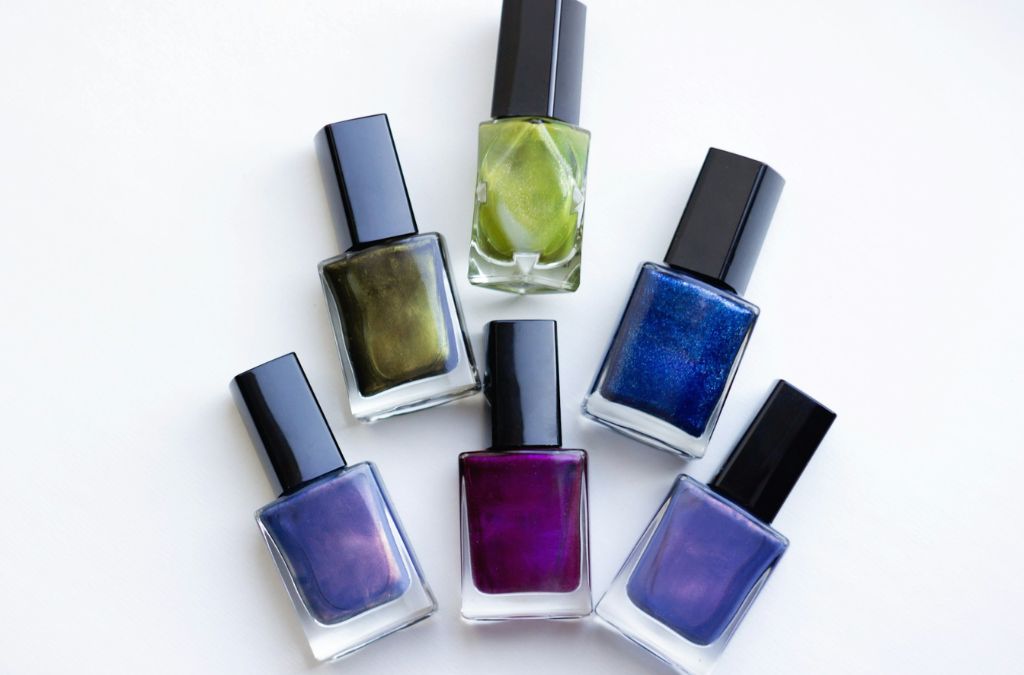
Depth of skin tone matters too. On fair skin, soft pinks, sheer Neutrals, and classic reds tend to look fresh, while very pale shades can sometimes disappear. On medium and olive skin, rich caramel, warm berry, and deep terracotta often look stunning. On deeper skin tones, vivid colors like cobalt blue, bright coral, emerald green, and fuchsia can create a dramatic and eye-catching effect, and creamy chocolate or warm brown Neutral look incredibly sophisticated. Bold shades such as burgundy, cherry red, and deep plum also create a beautiful contrast across many skin tones, which is one reason they never seem to go out of style.
The Simple Nail Color Test I Found Most Helpful
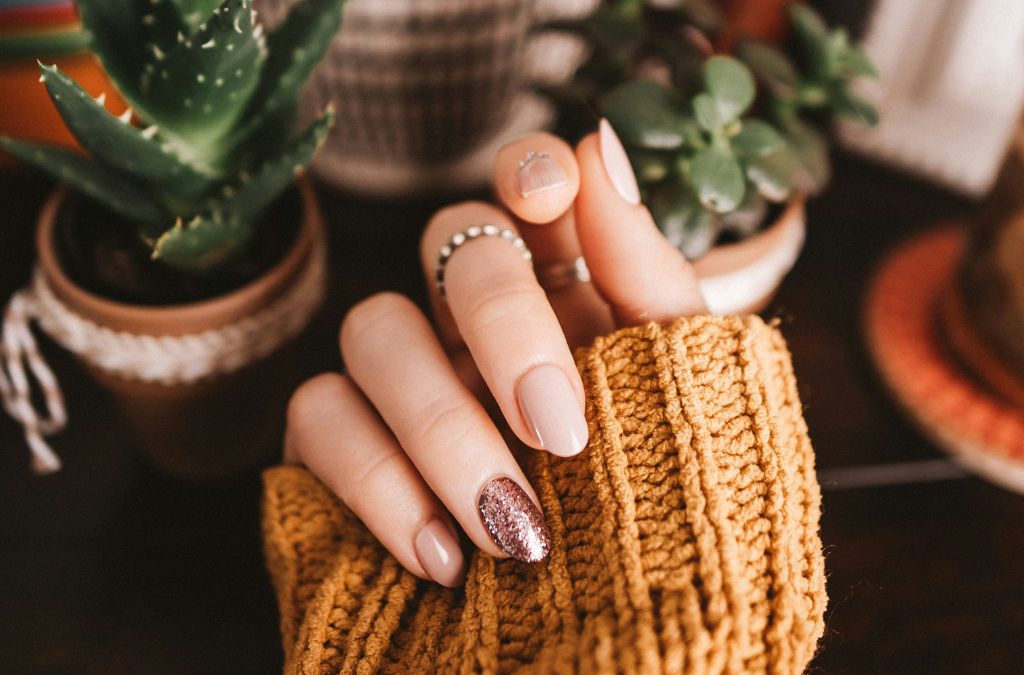
For a long time, I chose polish based only on how it looked in the bottle, and that was my biggest mistake. A bottle shows you the color in a tiny, concentrated amount, while your nails show it as a thin, translucent coat over a very different background. The result can be surprisingly different.
Now I prefer comparing two or three similar shades directly against my hand. If I am shopping for a Neutral, for example, I compare a pink Neutral, a peach Neutral, and a beige Neutral. I hold each swatch or test nail beside my fingers and look at how the color interacts with my skin. Very quickly, one of them usually stands out as the shade that brightens my hands, while another makes them look tired or flat.
Lighting plays a huge role in this test, so I always try to view colors in natural daylight if possible. A shade that looks soft pink under indoor lights can turn brighter or even slightly orange in sunlight. I also learned not to rely too much on salon lighting or heavily edited social media photos. Filters, ring lights, and editing apps can change the color so much that the polish you see online barely resembles the bottle in your hand.
Here are the steps I follow whenever I am deciding between shades:
- Compare shades that are close to each other, such as a pink Neutral and a peach Neutral, instead of very different colors.
- Swatch each shade on a nail tip, a swatch stick, or a single nail.
- Check the colors in natural daylight near a window.
- Look at your hand in a neutral position, not held up against a white background.
- Wait a few minutes for the polish to dry, since some colors darken or shift as they set.
- Take a quick photo in daylight to compare the results side by side.
This small routine takes only a few minutes, but it has saved me from buying countless shades that would have sat unused in a drawer.
What I Would Do Differently
If I could go back, the first thing I would change is buying several polishes without testing them. It is tempting to grab a handful of trendy colors because they look exciting on the shelf, but I ended up with many bottles that I rarely wore. Testing first, even with just one or two swatches, would have saved both money and disappointment.
Furthermore, I will quit having the notion that certain colors are limited to certain skin tones. While color guidelines are certainly useful, they are not strict rules. Personal taste, dress sense, fingernail length, and function or occasion also come into play with regard to the undertone. Even colors that should not technically fit into a flattering category can look beautiful if one loves the color and wears it confidently as well as matching it with the proper outfit. Additionally, the form and length of the nails change the general perception of a color. For example, short rounded nails always look effortless and natural in neutral colors, while longer almond-shaped nails can pull off richer and darker shades much better.
My biggest takeaway is that the best nail colors for your skin tone are the shades that complement your natural coloring while making you feel confident. Understanding color theory is helpful, but it should guide your choices rather than limit them. Today, I recommend starting with three versatile shades: a Neutral that suits your preferred look, a red you truly love, and a deeper or brighter statement color. This small collection gives you a strong foundation for experimenting with different nail styles without overspending.
Frequently Asked Questions
How do I know if my undertone is warm, cool, or neutral?
Check the veins on your inner wrist in natural light, and notice whether gold or silver jewelry looks better on you. Greenish veins and a preference for gold suggest warm, bluish veins and a preference for silver suggest cool, and a mix suggests neutral.
Can I wear a nail color that is not recommended for my skin tone?
Absolutely. Undertone guidelines are a helpful starting point, not strict rules. Your outfit, mood, and personal taste matter just as much, and confidence often makes any shade look better.
Why does nail polish look different on my nails than in the bottle?
A bottle shows the polish in a thick, concentrated form. On your nails, the color is applied in thin layers and is influenced by your skin tone, nail bed color, and the lighting around you.
Which Neutral shade is the safest choice for most people?
A soft rosy beige or a warm peach-leaning Neutral tends to flatter a wide range of complexions. Very pale or very gray-toned Neutrals are more likely to make hands look washed out.
What are good nail colors for beginners who do not want to buy many polishes?
Start with a Neutrals that matches your preferred look, a red you enjoy wearing, and one deeper or brighter statement shade. These three cover everyday, formal, and fun occasions.
Does the season affect which nail colors I should wear?
Your undertone stays the same, but seasonal changes in tanning and clothing can influence how colors look. Many people enjoy lighter pastels and corals in spring and summer, and deeper berries, plums, and burgundies in autumn and winter.

Modern Lifestyle Center is a fashion and beauty publication sharing the latest trends, beauty tips, nail art inspiration, personal styling, and lifestyle ideas. Our mission is to provide helpful, trustworthy, and inspiring content that enhances everyday beauty and personal style.