Everyday expenses can be hard to keep track of, and even small purchases might comprise a massive portion of your monthly budget. Things like coffee, snacks on the go, transport, shopping, and subscriptions have a cost that is negligible if you do them just once. At the core of budgeting is developing a sensible and pragmatic plan for your money in which necessary expenses are done with ease, wasteful spending is controlled, and funds are set aside to build up capital. However, if you make a few simple habits that are part of your daily routine, money management could be simpler and more organized.
Track Your Daily Spending
The expense recording should happen as soon as you purchase so that you do not forget an expense later. Then, once you have enough data, go through your spending and look at which categories cost the most. It Provides Insight into How You Spend Daily. You might find that a few little purchases are always occurring and slowly chewing away your budget. Recognizing these trends can be the first step in mitigating wasteful purchases.
Separate Needs From Wants
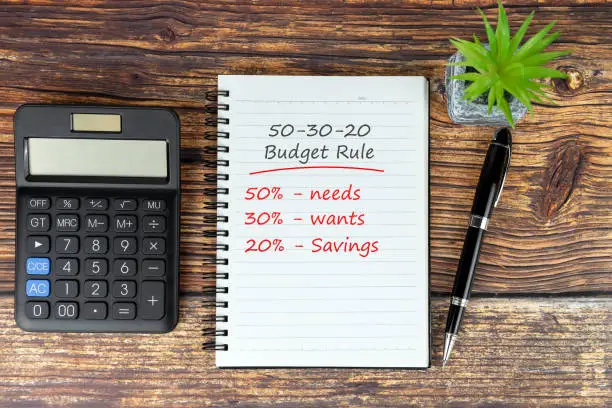
One of the most straightforward methods to keep your daily expenditure in check is to identify the difference between necessity and desire. Needs include groceries, getting to work or other transportation (car payments), and household bills such as heat and light for basic personal items. Wants include eating out, entertainment, unnecessary shopping, or other expensive goods/indulgence and impulse buying. Now, this does not mean that you never buy your favorite things. So, instead, you can separate your needs and wants, which helps you decide which expense should go first. A limited budget is a pro when you prioritize only essentials first. If you are uncertain about a purchase, ask yourself if it is needed now or can be bought later. This very easy question can be used to limit impulse purchases or give you time for rethinking your financial decision.
Benefits
- Better Buck Buster: You can use your cash more wisely.
- There is less unnecessary spending. Identifying your wants helps in eliminating additional and impulse buys.
- Increase in savings: Less money spent leads to the ability to save more.
- Enhanced Financial Choices: The practice of contemplation creates a decision before any shopping, whether the item is actually essential or not.
- Help in Achieving Future Goals: Controlling unnecessary expenses can help to save for education, traveling, an emergency fund, or any other goal in the future.
Create a Realistic Spending Limit
Review your expenses and decide how much you should realistically spend on categories. Do not create limits so tight that they become hard to adhere to. Your realistic budget is based on normal income, steady bills, and your usual style of living. Break limits into groceries, transport, personal expenses, and entertainment or housing. Category limits can help you ensure that spending is not exceeding your plan in an area. If it were not so much to limit you, but rather to let you feel the pinch! But when you know what your spending limit in a category is, unnecessary purchases become easier to decline. If you are not going to use that much, change it to where your real spending is.
Plan Your Weekly Expenses
A few months’ budget can be too daunting and challenging. Splitting your monthly expenses into weekly amounts can help you stick to the budget more easily. At the beginning of each week, organize how much you are going to be spending and then put a reasonable limit on yourself. Weekly planning can work well for groceries, transport, eating out, and personal spending. You can roll over some weekly expenses to future week spending if you spent less than what you’d planned for the week. You can tweak in a couple of days if you end up spending more.
So, with a weekly plan, you find out about spending problems at the very beginning and not towards the end of the month. This gives you ample time to modify your budget accordingly, giving you a chance to alleviate unnecessary financial stress.
Use a Simple Spending System
A basic spending system can help with keeping your daily budget in check. You can separate free money into several categories—obligatory costs, investments & savings, household expenses, and discretionary spending. Using different bank accounts or envelopes is one way people manage multiple budgets; others prefer to log all expenses in a budgeting app. The best system is the one that you find easy to use and can do regularly. You don’t need to give the system more trouble. If a simple notebook or notes on the phone are fine for you, use that. You are how you spend your money (ideally while staying within the predetermined limits)
Key Points
- You are using a really simple spending method here: daily micro-budgeting
- A short-term fund, a medium-term fund, and a long-term one.
- Suite 1: Keep a separate budget for necessities.
- Also set aside a fixed amount for savings.
- Household and flexible spending should be kept separate.
- You can use separate bank accounts or envelopes.
- Keep track of the expenses by a budgeting app or even a plain notebook.
- Execution: The system should be easy to use and maintain.
- Make sure to monitor your spending regularly in accordance with planned limits.
Reduce Small Unnecessary
You can do this without cutting everything out completely. Instead, establish limits on these purchases so that you can have fun without losing control of your budget. But a little exercise would show that even avoiding one daily expense of barely existent utility can result in significant savings at the end of each month. Leveraging this money for savings, an emergency fund, or a meaningful goal adds more strength to your financial plan overall.
Plan Your Grocery Shopping
Grocery plans help you reduce random spending on one of the most common weekly and daily expenses. Try to make a list of what you will buy before going to the stores and follow it when possible. Avoid repurchasing duplicate items by checking what is already in your house.
Be Careful With Subscriptions

It becomes easy to forget about monthly subscriptions. Streaming services, apps, memberships (like Amazon Prime), cloud storage, and other subscriptions can automatically withdraw money from your account even though you hardly ever use them. Manage subscriptions. While trimming the fat from your budget, you should also review any services. Hunches for Netflix, Hulu, etc. If you have similar services, take a look at how many of them you must keep.
Be Careful With Subscriptions
Review Your Subscriptions
Look through all your subscriptions once in a while and see if you really use the services. Better to cancel seldom-used services.
Avoid Unnecessary Services
Narrow down services, apps, and subscriptions if you have several similar streaming platforms. It can eliminate extra expenses if you continue to pay for services you don’t use.
Calculate Yearly Costs
A monthly subscription seems tiny, but after 12 months it can add up to a large sum. That’s why it’s best to have an annual total of your subscriptions.
Save the Extra Money
Assign the monthly fee of the subscription you cancel to savings. Little savings can grow to become a significant sum over time.
Keep Some Money Flexible
Also, a good budget should have some money that you can spend flexibly on what you want. It’s not that the budget isn’t doable; it’s just hard for you to stretch every penny when some other little hiccup occurs. Having a little left to use for personal expenses enables you to have freedom and control over your finances. You can use this money to cover a spontaneous meal, coffee, purchase something small, or do any activity. Flexible spending often is different depending on your wage and responsibilities. What has to matter here are reasonable limits for this type of category so that personal consumption does not become wildly excessive.
Review Your Budget Regularly
Your budget does not have to be the same each month. I mean, you know, income and bills rise or fall or disappear altogether; especially transportation costs can go up if your private school taxi operator goes on strike again, but so too do grocery prices. Oh, is it really the 1st of November already? Plenty of budget tracking provides you time to adjust. Compare your planned spending to your actual spending at the end of each week or month.
Check whether you stuck to your budgets and saved money on certain categories or overshot. Use this to adjust your plan for the following month. If you keep overspending in a category, learn to cut down your spending or adjust the budgeted amount accordingly. It will help your budget to be more in line with the life you actually lead.
Simple Ways To Control Spending
- Daily purchase ko kalain, choti kharidari bhi.
- Calculate flexible spending limits on a weekly basis.
- Always prepare a grocery list before shopping.
- Look in the cupboard often before heading to the store.
- Get into a habit of reviewing subscriptions that you can cancel (as they may not be used up).
- Do not think about making any unplanned or costly purchases.
- Research prices before purchasing common items.
- And reserve a little for your daily surprises.
- Summarize your expenses each week.
Build Better Money Habits

Making budgeting a part of your routine makes it easier. They could be simple things like tracking your purchases, planning the meals you make beforehand, setting yourself a cap on impulse shopping, and going over what subscriptions you currently have.
Plan Before You Spend
Step 10: Expected Expenses per Week. You can always plan your groceries, fares for transportation/bungalows, and any personal bills. Planning enables you to avoid impulse buying and get a better handle on the funds that are available to put aside. This habit will also lessen the burden of random spending on weekends.
Set Spending Priorities
Prioritize essential expenses first. Provide fluidity in the budget after covering bills, groceries, means of transportation, and useful needs for your household. And if the goal might involve some expenses that could be significant, it’s a good idea to think about the spending order ahead of time because ignoring this can lead to making bad last-minute decisions, forcing you into certain temptations due to urgent financial pressure. Strong priorities provide more control over everyday spending choices.
Review Your Expenses
Spend a little time each week reviewing your spending. Find out which categories led to overspending and where you managed to stay within your budget. Find things that are excessive and choose the next week smartly. Budgeting becomes increasingly easier, more realistic, and effective with regular review.
Final Thoughts
You do not need to have a complex financial system in place for your daily expenditure. According to the released data, money management becomes much easier by keeping track of spending, separating out your needs and wants, setting realistic limits, planning for purchases, and having regular reviews of the budget. Budgeting is not a way to stop having fun with your money. Consistency and clarity, combined with a few simple habits, lead to minimizing frivolous expenditure, effective use of day-to-day fund management & developing the ability to generate excess money available for savings or investment avenues. More importantly, do not view budgeting as a penance; use it instead as an aid to help you take control of your dollar decisions.
FAQs
What is a simple budget?
A simple budget is a simple income and daily expense management plan.
Importance of budgeting in day-to-day expenses
Using a budget, you will prevent overspending, avoid impulse buying, and have funds available for what you need.
What is the best way to stop spending so much in a day?
Limit your impulse buying, find cheaper options, cook at home, and live with needs rather than wants.
Should I track every expense?
Yes. By monitoring small expenses, you realize where your money is going and identify the areas in which there could be savings.
How to Calculate How Much Money Should You Save Each Month?
Always try to set aside an amount regularly from your earnings. You might start small, but that small amount can turn into significant savings over time.
What should I do if my daily budget is surpassed?
Examine your expenditures, cut back on nonessential spending & revise your budget.
Will my budget help me stay out of debt?
Yes. An effective budget allows you to live within your means, helps plan out bills, and reduces the need for borrowing money.
What is the simplest residential budgeting tip?
Tip number one is to track what you spend every day and look at it regularly. This single habit can be the best way to manage your money with ease.

Lahiru N Gamage is the founder and editor of Modern Lifestyle Center, a lifestyle publication focused on home decor, interior design, beauty, fashion, garden inspiration, and modern living ideas. Through carefully researched articles and practical guides, he helps readers discover creative ways to improve their homes and everyday lifestyles.
Modern Lifestyle Center is committed to providing informative, trustworthy, and inspiring content designed to help readers create beautiful, comfortable, and functional living spaces.