Exercise is a key part of everyday wellness. Exercise maintains the body’s activity; it helps maintain energy levels and makes daily activities easier. Exercise does not have to include going to the gym or intense workouts. Walking and stretching, cycling, singing or dancing, swimming, and home exercises are things many people can perform without expensive equipment while reducing the risk of cardiovascular disease. In our current era, people stay seated for hours due to work duties, reading, and the use of digital devices. That makes it all the more essential to add some form of movement into your day. Even simple activities, then, on a daily basis, can render your entire lifestyle more energetic and well-balanced.
Exercise Supports Physical Fitness
Doing exercises prevents the body from getting weak and lethargic. Various kinds of physical exertion can reinforce fortitude, adaptability, equilibrium, and endurance. When the body gets into a routine of exercising regularly, daily activities may become easier—walking up stairs and completing house chores will not seem as difficult. You do not need to pick a super difficult workout to exercise. This allows novice participants to start off with activities that are not strenuous and build their activity base from there. Above all, consistency is key since regular physical activity can lead to a long-term healthy habit.
Exercise Can Improve Daily Energy

While exercise consumes energy, regular physical activity encourages energy and alertness for daily tasks. When you sit continuously for prolonged periods of time, the body tends to feel inactive. Building in some form of movement into your daily routine can make you more physically active. You can walk a bit during work or studying, do stretching in the morning, or take an evening walk. Incorporating these little tasks into your day will surely induce extra motion.
Stretch Throughout the Day
Take Regular Stretching Breaks
You can also take small stretching breaks when working at your desk for many hours. Reposition from time to time and move around. This can increase your sedentary behavior throughout a working day. Twelve minutes of short breaks can act as a mere active part of your daily routine.
Stretch Different Body Areas
Now you can stretch out your arms, shoulders, legs, back, and neck. Take each movement slowly and easily. Add some variety with stretches in various areas of your body. Move in a range that is comfortable (not forced).
Avoid Stretching Through Pain
If you experience pain or a tight sensation while stretching, cease the motion. Gentle stretches are okay, but in a tolerable range. Always listen to your body. You don’t always have to stretch forcibly.
Add Stretching to Your Schedule
Designate reminders or blocks in your daily routine for stretching. Do a quick stretch after finishing some work tasks. This can help you remember to switch places every so often. Over time, stretching can be incorporated into your movement routine.
Exercise Supports Mental Wellness

Not only is physical activity a mental booster, but it is also good for the body. Exercise gives you a few moments to step away from the everyday realities of life and put your body in motion. Light stretching, such as walking outside or riding your bicycle, would be part of a once-per-cycle stress-relieving regimen. Movement on the regular also aids in controlling daily stress. When you start to view exercise as something fun rather than punishment, it might be easier for you to continue consistently.
Take Regular Stretching Breaks
If you work long hours at your desk, short breaks for stretching can prove useful. Periodically, change position or slowly rotate your arms, shoulders, or legs. This gives a moving break to your long sitting routine by allowing you some change for the body as well. A better way to complement your overall movement habits is by easily incorporating short stretching breaks into your daily routine.
Stretch Different Body Areas
Stretch your arms, shoulders, legs, and neck gently. Make each move slow and chill, staying within the incumbent movement capacity of your joints. Targeting different body regions may provide variety, making it easier to practice frequent movement. Avoid any position that feels forced, and substitute gentle movements you can easily work into your day.
Avoid Stretching Through Pain
If you experience the sensation of pain and/or high discomfort while stretching, stop the movement and sit down. Rather, if you are new to exercising or stretching, perform light stretches within the range of gentle soreness. Listen to your body and do not push into a movement for the sake of making it deeper. If you prefer stretching slowly and gently, the following hints should help make daily stretches more pleasant.
Add Stretching to Your Schedule
Designate reminders or times in your day for stretching. You can perform a brief stretch after finishing some work tasks, taking breaks, or after sustained sitting. That can serve as a reminder to change positions from time to time and incorporate some motion. Over time, stretching can become a regular part of your daily movement routine, and the easier it is for you to develop new habits, the more consistent you will be.
Simple Ways to Stay Active
You don’t need to purchase a pricey health and fitness club subscription or spend a lot of money to reap some benefits from working out. Start sneaking in simple movements into your daily routine to get more active.

Easy Activities to Try
- Walk: even a short walk every day is an easy get-up-and-go activity. Whether you stroll in the morning, evening, or during breaks.
- Stretching: This is the easiest way to get some movement in your body whenever you sit for long.
- The stair-climber: If convenient and safe to do so, walking on foot with stairs improves daily movement over taking an elevator;
- Household Activities: Cleaning, gardening, organizing, and other household tasks may also contain physical motion.
- Cycling: Cycling can be fun, and you also get outdoor time, which means exercising is good for the muscles.
Exercise Can Support Better Sleep
Exercise is important to help keep a good sleep schedule. During the daytime, you tend to be active, and this gives some sort of movement in the body, helping your nighttime relaxing experience for a while. When exercise is done can also be significant. If it takes time to wind down after an intense workout before bedtime, gentle stretching or a relaxing walk is probably better scheduled earlier. A balanced lifestyle involves healthy sleep and regular exercise. Including both in your daily lifestyle will promote overall wellness.
Build Strength Gradually
Your muscles are simply getting trained to deal with this functional stuff called weight, which can help support your work as well as define everyday motions in a gentler way. Bodyweight and resistance bands or other basic strength exercises may be added to your workout as appropriate.
Beginner-Friendly Strength Habits
- Start Slow: First perform exercises that are easy and manageable in order for the body to form a habit of slowly exercising.
- Gradually increase: When the exercise is becoming easy, you can gradually add more intensity or repetitions to it.
- Recovery: Rest and recovery days have the purpose of giving time for your body to rest after a day with demanding activities.
Exercise Supports Flexibility and Balance
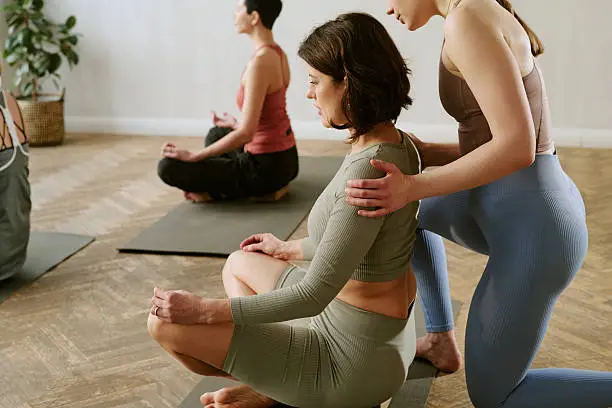
Flexibility and stability are additional elements of daily safety fitness. Stretching and balance movements can support body movement, which can be made easier. Easiest stretching is done in the morning routine, after a workout & during long sitting breaks. Another option for adding flexibility, balance, and controlled movement is gentle yoga. Stretch lightly—never put your body in a spot where you are stretching too far. Especially for exercise beginners, slow and relaxed motions are a preferred option.
Stay Active During a Busy Day
A hectic schedule must not be a reason to avoid exercising completely. If you find that your schedule does not allow for longer sessions, punctuate the day whenever possible with brief movement breaks. You can walk during the phone call, stretch during your work break, or even go for a small stroll post-lunch. These little actions can add a small amount to your overall activity for the day.
Ways to Add More Movement
- Short Breaks: Stand Up and Walk a Little After Sitting For A Long Time
- Tip five: Walk More: For short distances, walk whenever it is possible and safe to do so.
- Work Breaks: Work for a few minutes, then take a break or walk with it.
- Move with Enjoyable Hobbies: Dancing, gardening, cycling, and leisure activities can be fun ways to enjoy movement.
- Make an Exercise Schedule: Scheduling workout sessions at particular times and days can incorporate exercise into your daily routine.
Choose Activities You Enjoy
A critical component for sticking with an exercise routine is to do activities that you genuinely like. It can be hard to keep working out long-term—if a workout is boring or uncomfortable, people will drop off easily. Some like to walk, some like to dance, swim, or cycle, while one enjoys any kind of sport. Even home workouts are what many people opt for! The right exercise will depend on you — what works for some people might not work for others, so trying different exercises can be useful. If it is fun, exercise can be integrated into a series of joyful daily habits rather than an onerous duty. You get to pick and choose activities based on your lifestyle, time & availability.
Create a Consistent Exercise Routine
Having a routine can help you maintain exercise as part of your daily life. You can pick specific days and times based on your availability. This helps decrease the likelihood of postponing your workout over and over again. Your routine does not have to be the same every day. On some days, a more extended workout might be in order, while on busier occasions, even a brief stroll or a little stretching leads to sufficient activity. Instead, it would be more useful to establish a realistic schedule. Select an exercise plan that you can stick to easily because of your lifestyle and schedule, as well as how physically active or comfortable you are.
Avoid Doing Too Much Too Soon
Too much activity can make it hard to build muscle when you first start exercising. Many others begin intense workouts to quickly make an impact on their bodies, but this can become tiring and frustrating.
Helpful Exercise Habits
- Step at a Time: Do not engage more frequently, since it will take you time to accommodate this novelty.
- Listen to Your Body: If you are experiencing abnormal pain or discomfort, it is advisable to reduce training intensity and consult a health care professional.
- Stay Hydrated: Hydration can also involve replacing fluids lost during and after exercise.
- An even-handed approach will help create sweat as a comfortable long-term routine.
Make Exercise a Social Activity

Working out with a friend or family makes the activity more fun. It could be walking with a friend, outdoor play time with family, or recreational sport. Having an exercise companion can make all the difference when it comes to staying motivated. You can also make sure not to miss your daily activity with each other. Social exercising also does not have to be via competition; just having someone to exercise with can give a little excitement to your regular routine. If exercise is a part of social time, then physical activity seems like good quality time and not an additional duty.
Let Exercise Be A Part of Your Daily Life
Besides, rather than restricting exercise to training slots, it becomes useful as part of your daily lifestyle. You should engage in a variety of other intensity-level activities, including walking, climbing stairs, doing housework, and stretching to improve overall movement. The second step is to analyze your daily routine and see where you can fit in more movement. Regular standing breaks are useful if you work long hours at a desk. Walking could be a feasible idea if you are going somewhere nearby. By doing this, exercise will gradually be part of your natural life, and you do not need to set aside a large amount of time for each activity.
Conclusion
Daily activity is a BIG piece of well-being. Regular exercise helps keep the body active, can reduce symptoms, and boosts overall health, alertness, and flexibility. Exercise can be simple and inexpensive. In addition, daily activities such as walking, stretching, cycling, and dancing can be used to increase the number of movements. First and foremost, pick things that are in your comfort zone and fit into your lifestyle as well. Take it slowly, build up activity gradually, and give your body the time to recover properly. When it comes to a routine that is meant for the long term, consistency can be more helpful than perfection. Exercising is key to a healthy lifestyle, but it can also feel easier by adding small active habits into your daily routine. When you supplement sustainable activity with nourishing food choices, restorative sleep, and healthy everyday habits, your body can do a better job of carrying out its regular wellness duties.
Frequently Asked Questions
How much exercise do I need to be doing?
Everyone has different exercise needs. Beginners can start slow and build up their movement through more stimulus. For more tailored advice, if you have particular health issues, then it is best to chat with a doctor.
Can walking count as exercise?
Yes, walking is low-impact exercise and easy to add into daily life. You may begin with 15-minute walks & increase the length as you feel comfortable.
Do I need a gym to exercise?
Exercise: No, you don’t need a gym. You can do walking, stretching, cycling workouts, dancing to music or upbeat songs, bodyweight exercises at home, and household tasks.
How can I stay motivated?
Focus on what you enjoy, and make your goals more achievable! Other options to keep you from drifting away: find a friend to exercise with; set up your schedule so you’ll never forget it when planning daily routines, i.e.
Are rest days important?
Yup, rest and recovery are an essential component of the exercise program. During stressful physical activities, this process is used specifically to give your body time to recover.

Lahiru N Gamage is the founder and editor of Modern Lifestyle Center, a lifestyle publication focused on home decor, interior design, beauty, fashion, garden inspiration, and modern living ideas. Through carefully researched articles and practical guides, he helps readers discover creative ways to improve their homes and everyday lifestyles.
Modern Lifestyle Center is committed to providing informative, trustworthy, and inspiring content designed to help readers create beautiful, comfortable, and functional living spaces.