Busy workdays can be very distracting. Emails, messages, meetings, and phone calls, plus unexpected tasks, can continuously break your attention. When you habitually hop from one task to another, it can make fatigue come rapidly, and your productivity tends towards the dark side. Ingraining everyday habits into your routine elevates you to peak focus and peak productivity. You don’t need to work all day in a row with no breaks This means identifying priority and addressing one important task at a time. This is a short, simple course that will help you make small changes to your workday to be more organized from the moment you arrive at the office.
Start With a Clear Plan
Having a plan in the morning that is simple to follow gets you familiar with what you have got going on. Rather than jumping right into your to-do list, take a time-out for five minutes and review all of the things that you are responsible for completing. Every great plan gives clarity and saves you from wasting more of your time deciding what to do next. Make a list of your tasks and prioritize them. Do not head out to make an unending checklist—rather, enjoy manageable goals. Knowing what is to be done makes it very easy for you to keep your focus created throughout the day.
- Writing important tasks
- Top priorities to choose from
- I estimate how long it will take to do each of those tasks
- Checking deadlines and meetings
- Reserve time for unexpected work
Choose Your Most Important Tasks
Not every task is equally important. The show must go on, and some deadlines simply carry more weight than others, while other obligations could wait. Who doesn’t want their energy to be channelized at the best? You identify your vital few tasks accordingly. At the beginning of your day, select two or three tasks that you MUST accomplish. When your brain is sharp, tackle the thing that needs the closest attention. It will help you feel less stressed as well because it gets the important stuff done quickly.

Identify Your Priorities
Set your priorities first because not all work is equally important. Shift attention to those tasks or responsibilities that are more relevant and impactful in terms of goals and deadlines. It lets you use your energy in a more effective way. It also prevents critical work from being lost from the radar.
Choose Two or Three Tasks
Choose two or three tasks that have to be done at the very beginning of your day. Promise yourself not to bombard a lot of big items on the list all at once. A shorter list is less cumbersome and makes it relatable. This is what gets you through the daily grind.
Work When You Feel Fresh
When your mind is most alert, execute the task that requires you to focus. Everybody has different productive times. Know your optimal focus hour. It will then be a time when it will become easier to finish the difficult task.
Complete Important Work First
Complete significant duties as early on as you can so that they don’t become a source of tension later. After the major tasks are done, tackle what remains of them—smaller and less urgent work. This method can help keep your daily tasks more structured. This also helps you to be clearer on how far along you’re at the end of your day.
Remove Unnecessary Distractions
It can be good for your concentration because it is also quick to shatter your focus. Phone notifications, social media, emails that you simply do not need, and checking your phone all the time are probably disturbing how a proper workflow can be. It can take a moment to get back into the same focus, even if you are only distracted for just 4.5 minutes. It is to find out which distractions affect you most and curb them while in deep work. Turn off notifications, put your phone away from the desk, and close unnecessary tabs on the browser.
Keeping Your Workspace Organized
If there are too many distractions, work will be more calming, and you can focus on what is being done at any given time.
Work on One Task at a Time
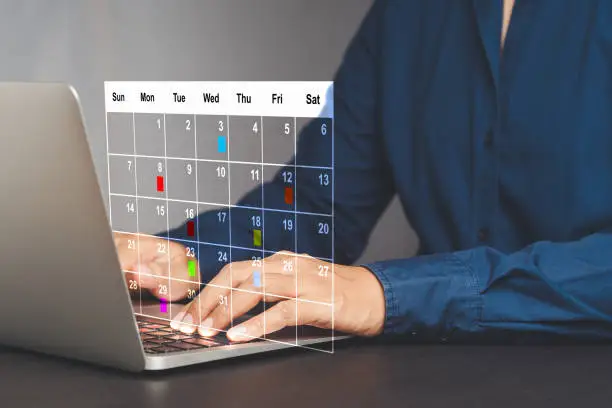
While multitasking appears to be beneficial, transitioning on and off is a difficult thing that can hinder your ability to concentrate. It also means that when you are switching responsibilities, you have to recall the state of where you left off and what was being done. Try to start the time taken on a new task just as soon after finishing one. Focus on your current task—do not read unrelated messages or engage in side tasks. This way, it can minimize interruptions and maximize progress. If you feel the need to prioritize more than one task, break them into smaller time blocks. First, run through an activity, then track your accomplishments and progress for the rest of this task. This basic practice organizes even the busiest workdays.
Take Short Breaks
Taking short breaks is essential to your ability to stay focused. If you do the same work for hours straight, then perhaps after a lot of time, your brain gets tired, and you will lose momentum on doing that. Little breaks are a great opportunity for your brain to recharge. During breaks, try to distance yourself from the screen whenever it is feasible. Go out for a minute, do some kind of stretch, or drink water. Avoid filling every break with social media, as this can hinder getting back into the work zone. Frequent but short breaks will make you feel fresh when returning to work. They can also help to lessen the burden of constant labor.
Key Points
- Working for hours can give you a mental headache.
- Concentration can be reduced due to long working hours.
- Short breaks allow our mind to take a rest.
- Try to stay off the screen when having breaks if you can.
- A short walk, stretching, or drinking water
- In case you forgot, not all breaks are to be filled with social media.
- Take short and frequent breaks to energize.
- Work with better focus after the break
Keep Your Workspace Organized
Similarly, if your workplace is messy, even that can affect concentration. Confusion from important papers, useless things, and scattered articles of use will distract your attention. A clean, organized workspace is conducive to easily finding the things you need and concentrating on your present task. Take a few minutes to organize your desk or digital workspace before you start working. Only keep those things you need to use right now close by. There is also the choice of arranging computer documents and closing applications that are no longer in use.
Getting The Workspace Ready To Do Work
Having an organized environment also helps in getting started with the work and continuing to stay focused throughout the day.
Set Specific Time Blocks
This is where time blocking can help you assign a dedicated amount of time to each task. Rather than wandering the day aimlessly, establish timings for important tasks/emails/meetings/breaks. For instance, you could set aside the first half of the morning for your larger projects, the second half to handle emails, and afternoons are ideal for meetings or other small tasks. It can be of no schedule, but it depends on the work necessarily done. Additionally, this stops you from letting one task take up your whole day. Having fixed timings for each activity helps you manage your time better.
Avoid Checking Emails Constantly
During a hectic workday, emails can be one of the biggest distractions. Constantly looking through your inbox every few minutes distracts you from getting any deep work done. Set times when you will read emails (do have phone notifications off). You review your inbox one time in the morning, again at midday, and once more on workdays before heading home. Timed according to the needs of your project. If your job needs a more instant response, allowing notifications to be open is helpful. But rather than going right away, assuming we’re going to make it, why don’t you determine if this is a priority? Separate the essentials from non-essential messages; maintain focus.
Set Small and Achievable Goals
Enumerating the pertinent steps can be a gargantuan task because even though large projects have many moving parts, it is easy to forget some part. In other words, breaking down a heavy-duty responsibility into smaller objectives simplifies and makes the work manageable. Small goals can be quite effective, especially when we have busy days. They let you move the project forward, even if not all of it can be done in one go.
Stay Hydrated and Eat Properly
Very often, your physical needs play a role in determining focus. Lack of water or not taking meals can take a toll on how tired you feel and even your comfort levels. Meeting your basic needs helps you manage energy levels better through the day. Have water close at hand and drink it every now and then. You can also try balanced meals and uncomplicated snacks, particularly when the workday is lengthy. It doesn’t have to be an elaborate process. Hence, drinking sufficient water, eating regular meals, and taking 5-min movement breaks will make you feel comfortable.
Drink Water Regularly
Carry a water bottle always to stay hydrated at regular workdays intervals. Fluids help to maintain the body adequately hydrated. Whether it is heat exhaustion or dehydration, it makes every one of us lack energy or comfort. Therefore, even if you are busy, do not forget to have adequate water intake.
Avoid Skipping Meals

Avoid Skipping Meals. Instead, eat regular meals. Good food can give you energy for a long day at work. Eating easy-to-cook and balanced meals is one of the practical options. This may make you feel a little bit more prepared to face the day.
Keep Healthy Snacks Nearby
If you are hungry between mealtimes, keep simple snacks available. You can choose from fruits, yogurt, nuts, teas, or other healthy foods. However, snacks can indeed be a convenient option for an extremely busy workday. That means you can skip meals that are not really necessary more easily.
Take Short Movement Breaks
Do not sit or work for long hours; instead, take workdays small, brief breaks to move around. Such as walking for a couple of minutes or doing some stretching. Breaks allow the body to get moving. Following this, you can plug right into your job more seamlessly.
No to Unnecessary Tasks
And throughout the day, busy people are bombarded with more requests. Although it is good to help others, saying yes to each request will occupy all of your schedule, and you are left on workdays with no time for the most important tasks. Frame the new work: Do I need to do this right now? Is this mission-critical, or can it wait for later? When you have significant deadlines already in place, respond casually with your workdays availability as well and recommend a time frame where possible. This does not mean you refuse every request. It means you are mindful of your workload and allocate adequate time to priority tasks.
Handle Meetings More Efficiently
A meeting can eat into a good chunk of your busy workday. Yes, some meetings need to happen at all, and others are simply unnecessary or poorly organized, which eats intoworkdays your capacity. Before the meeting, find out what it is for and how you are supposed to contribute. Make note of significant decisions and action items so that you’ll know what to do after the meeting is over. If the meeting doesn’t relate to your responsibility, find out whether you are required. Organized, to-the-point meetings allow you more time for work.
Use a Simple Focus Routine
A routine focus practice can program your brain into a mode of productivity. The routine can be short, but it is a signal that it is now time to focus on the work. Such as decluttering your desk, turning off notifications, choosing a task & determining when you will be working. Whenever the workdays time is over, have some rest, like 3 or 4 minutes, and do it again with a new session. The same work day after several days will not break your concentration. Based on Time, you will invest less time initiating significant errands.
Prepare Your Workspace
Clear your desk before working on something focused. Move unnecessary items aside. One thing that can help is to declutter your workspace. This can prepare you mentally for work.
Silence Notifications
For a work session, silence all the non-essential calls and notifications from your phone and computer. Over notifications can disrupt your focus. If workdays still needed, leave alerts for vital phone calls or messages open. This will help you to have less distraction in concentration-focused work.
Do Not Aim for Perfection

Perfectionism prevents productivity. Quality matters, but spending months tinkering with minuscule details will ensure you never get around to tending to more important functions. Finish your work in detail workdays and have it standardized as an indication. We can always review the efforts if it means further improvements. Knowing that not every task needs infinite changes can help relieve some of the unneeded stress. This means that you can then achieve much higher-quality tasks on a busy day.
Review Your Day
Spend some time at the end of your workday to reflect on what you have done. Tick off completed tasks, unfinished work, and topics that kept you away from concentrating. This not only helps you quickly understand what habits worked for you and where to improve but also allows you to find those areas with room for improvement. You can see peak productivity at certain times of the day or find that you keep getting distracted by specific distractions.
Conclusion
You do not need complicated productivity systems to keep yourself focused during busy workdays. Small practices like setting up priorities, eliminating distractions, and taking tiny breaks to focus on one thing at a time can simplify your day too! Know your working style as well. For example, some people struggle to focus in the mornings but feel like highly productive machines later on, and vice versa. Pay attention to when workdays you have the most energy and aim to schedule more strenuous activities during those intervals. With practice, adopting these small habits can keep you organized and preserve your attention while enabling the completion of key tasks. The point isn’t to keep busy 96 minutes every minute. To use your time and attention effectively.
Frequently Asked Questions
What makes multitasking detrimental to your focus?
Incessantly changing tasks can break concentration and require work proficiently. Concentration on one task at a time is capable of delivering better continuity.
How Should I Take Breaks?
All of this in the same schedule will not work for everyone. If you sense your concentration or energy is dwindling, take a short break and put some space between yourself and your work for a bit.
How do I stop distractions at work?
Disable unnecessary notifications, put your phone (if possible) out of reach/eyesight for a while, shut unrelated tabs, and set times to check emails/texts.
Does a clean workspace increase your focus?
Having few things around you in your workspace may alleviate visual distractions and make it easier to find important items. Having a tidy space, physical and digital, will help you focus.
Hi, how do I avoid responding to emails and losing focus?
Very convenient: set specific times instead workdays of checking emails constantly. Reply to urgent messages first and reserve the less important emails for later.
How do you focus when working from home??
Have a working space and define the working hours. If possible, remove personal distractions and create a straightforward protocol for ensuring that work time never encroaches on your personal life.

Lahiru N Gamage is the founder and editor of Modern Lifestyle Center, a lifestyle publication focused on home decor, interior design, beauty, fashion, garden inspiration, and modern living ideas. Through carefully researched articles and practical guides, he helps readers discover creative ways to improve their homes and everyday lifestyles.
Modern Lifestyle Center is committed to providing informative, trustworthy, and inspiring content designed to help readers create beautiful, comfortable, and functional living spaces.